
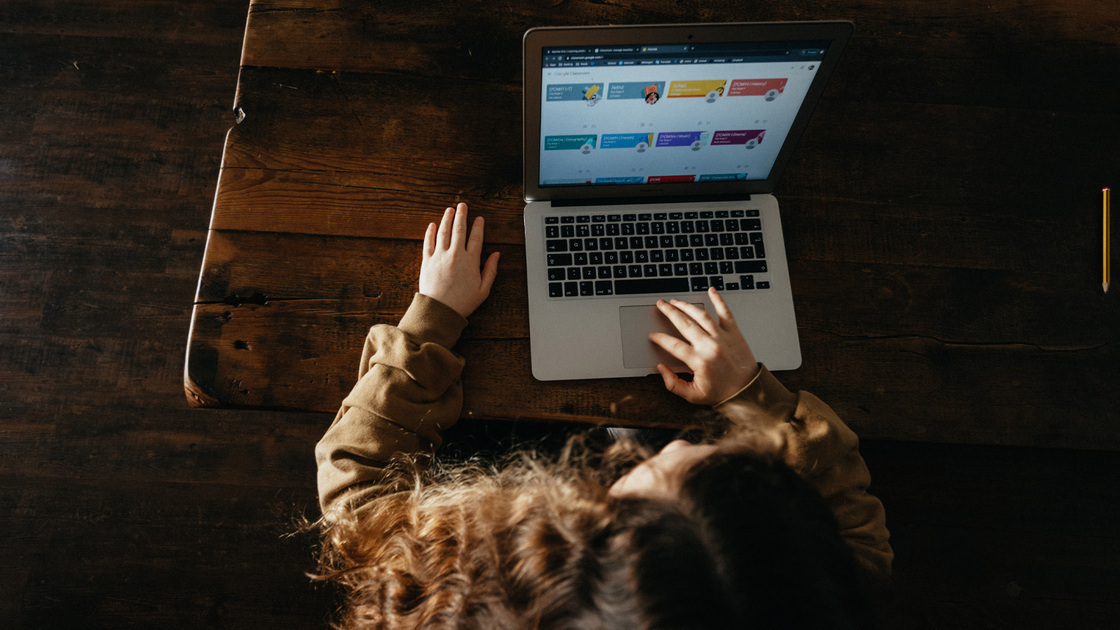
For the past 20 years, social media has become a huge part of growing up. Apps like Discord, Instagram, Snapchat, TikTok and X aren’t just things young people use—they’re where friendships happen, trends take off, opinions form and people figure out who they are.
Social media is often marketed as a way to connect and have fun. But during the years that it has taken over teen life, mental health struggles—including depression, anxiety, eating disorders and suicidal thoughts—have increased dramatically. Social deprivation, attention fragmentation and sleep deprivation have also soared to terrifying levels.
A growing number of teens and young adults are waking up to the dangers, and choosing to step away. Some are taking temporary breaks, while others are quitting altogether. Their motivations for logging out vary, but many say the results have been overwhelmingly positive.
‘The Clarity to Focus’
“The decision to leave wasn’t easy,” 21-year-old Denzel Damba wrote on the digital magazine platform Medium. “It felt like tearing myself away from a digital lifeline.”
There were several false starts, but he finally cut the cord last year.
The change for him was profound. “I discovered that stepping away created a space I didn’t realize I was missing: a space to think, to feel, to learn and, most importantly, to live,” he wrote. “Without the endless feeds dictating what I should care about or how I should feel, I began to see the world—and myself—with fresh eyes. I found more room to read books, to engage in meaningful conversations and to reflect on life without the constant distraction of curated perfection or divisive rhetoric.”
Denzel is not looking back, he says, because quitting social media gave him “the clarity to focus on what truly matters: the people around me, the ideas that challenge me, and the truths that ground me.”
‘I’m Happier and More Creative’
“I love being outside,” said 17-year-old Ella Palmer. “I feel most at peace listening to the cicadas, observing the way a squirrel crawls up tree bark or water flows languidly through the stream near my home.”
She also loves cooking and having good conversations with her friends.
But as social media took over her life, she found herself enjoying nature, hobbies and real friendship less and less. I was “confined to a screen, looking at other people’s little worlds but I’m not actually in them,” she wrote. “I would get lost in a maze of posts and information that I hadn’t searched for. I don’t remember the exact posts I saw, but I do remember continuing to scroll as if I was looking for something better, without knowing exactly what that was anymore.”
So last year, she made the difficult decision to quit the feed. And she has been amazed by how much her life has improved.
“Life without social media feels fresh and clear,” she wrote. “It’s easier to have meaningful conversations when you can see a human face reacting to you, instead of interpreting the underlying connotations behind words on a screen. Vulnerability comes more naturally when another human is right beside you to comfort you with their warmth.”
She added: “I’m happier and more creative without social media.”
‘I Don’t Waste My Time’
“Man, the stories I could tell you of being a young woman with no social media. People get crazy, they get so mad at me!” 30-year-old nurse Morgan Richardson told TheGuardian. They’re annoyed because she doesn’t play the social media game or keep herself constantly visible online.
But she discovered that the benefits far outweigh any criticism.
“The things I’ve been able to accomplish in a short amount of time with no social media is insane,” Morgan said. “I’m in school right now and work full-time. I’m getting ready to apply to master’s programs. And because I don’t have social media, I don’t waste my time. I’m not bombarded with people constantly taking away my time from me. I put it towards myself and my goals.”
“I get better sleep. My attention span, I think, is great. I definitely see my other friends reaching for their phones, looking for their phones, looking on social media, even in nursing school. I would just study for hours and hours, and they wanted a break. I got a 4.0. I would just work hard, and I wasn’t distracted.”
‘Extra Background Noise’
When Kristen Domonell was 29, she decided to go from Thanksgiving to New Year’s Day with no social media. It was a big decision, since she had been a heavy user since age 15. She wanted to see “what life would be like without all the extra background noise and daily subtle comparisons.”
Just hours after deleting the apps, she realized how habitual and addictive her usage had become. “I found my thumb instinctively swiping to find the Instagram app after I answered texts, an unconscious loop that my brain had developed.”
But within days, she began feeling more like her true self. “What slipped into social media time more often than I care to admit was now totally free for other things. I dove into podcasts I had been meaning to listen to. I read a real book made out of paper. … When I walked my dog, it was just she and I and whatever we noticed along the way.”
When the experiment ended, Kristen discovered something surprising: “On January 1, I took a deep breath and started to catch up, expecting to see a whole bunch of interesting stuff I had been missing out on. But I got bored before I even finished and realized that I already knew what I needed to know about the people who I care about. I’d rather text, call or e-mail friends than ‘connect’ with them on Snapchat, anyway.”
The Wider View
Testimony by scroll stoppers like Denzel, Ella, Morgan and Kristen is confirmed by big-picture data.
In 2018, researchers at the University of Pennsylvania found that capping social media use at 30 minutes per day significantly reduced anxiety, loneliness and depression, as compared to unrestricted use.
In an experimental 2024 study published in bmcPsychology, participants who logged out of social media for just two weeks were compared with a control group that carried on as usual. The abstainers emerged with noticeably lower levels of anxiety, depression and loneliness. They also enjoyed significant improvements in body image and overall well-being.
In 2020, researchers at Stanford University asked some 36,000 social media users to log off ahead of the 2020 United States presidential election. Some deactivated for six weeks, some for one week. Those who stepped away from their feeds for a longer period reported a noticeable boost in emotional well-being and mental clarity compared to those in the second group. For many, these gains translated into improvements—sometimes dramatic—in sleep and productivity.
Such findings shouldn’t really come as a surprise. Those who turn off the noise and resist the algorithm are taking a step toward reclaiming their attention and their lives. Whether they know it or not, these young people are moving in the direction of the Apostle Paul’s admonition in Ephesians 5:16: “Redeeming the time, because the days are evil.” Each of us has the power to follow this advice and change the direction of our lives. The time to start is now.
For more on the specific dangers connected to Instagram, Tik Tok, Snapchat and X, look at this infographic on theTrumpet.com.