
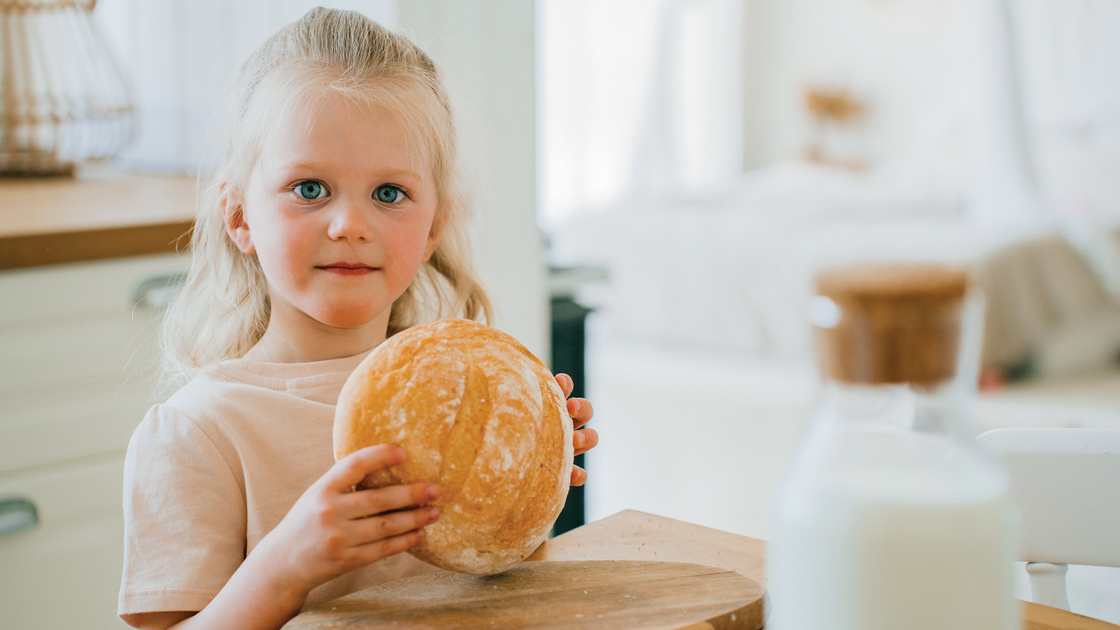
Our middle child asks a lot of questions. Whatever we’re doing, there are always “Why?”, “How?”, “Who?”, “When?” questions coming at my wife and me, not least during the lead-up to the spring festivals.
As we busily prepare for the holy days, it is important to nurture our children’s curiosity. This is one of the busiest times of the year, and it can be hard to take time to satiate this appetite for knowledge. There is a lot to explain to the piqued interest of a child: the symbolism of leaven and unleavened bread, the symbolism of Pharaoh and Egypt, the sacrifice of Jesus Christ, the symbolism of the bread and wine, the miracles of the Exodus, and much more. There is also more to do than normal—self-examination, deleavening, unleavened baking, preparing for the Night to Be Much Observed—all on top of the normal daily routine of school, work and extracurricular activities.
We must take time to answer our children’s questions and satisfy their desire to understand. This emphasizes the importance of planning our schedule in the lead-up to the festivals. Start deleavening and get ahead on other preparations in plenty of time. Being rushed can cause us to be dismissive of their questions and can quell some of their natural enthusiasm and curiosity.
Lean into the practical and physical tools God uses to teach us and teach your children. For example, schedule deleavening time with your young ones and discuss what leaven represents and why we replace leavened bread with unleavened bread. Encourage the questions that are sure to come. This shows that our children are engaged and thinking about the concepts and lessons of these days.
We are commanded to teach our children continuously as we go about our day (Deuteronomy 11:19). Take advantage of your child’s curiosity and the opportunity to teach them powerful lessons as you prepare for the spring festivals.