


Prior to morning forums at Summer Educational Program, staff members have delivered five-minute creation presentations to enhance the camp theme, “Prove God.”
July 15: The Weaverbird
By Steve Hercus
This is a weaverbird.
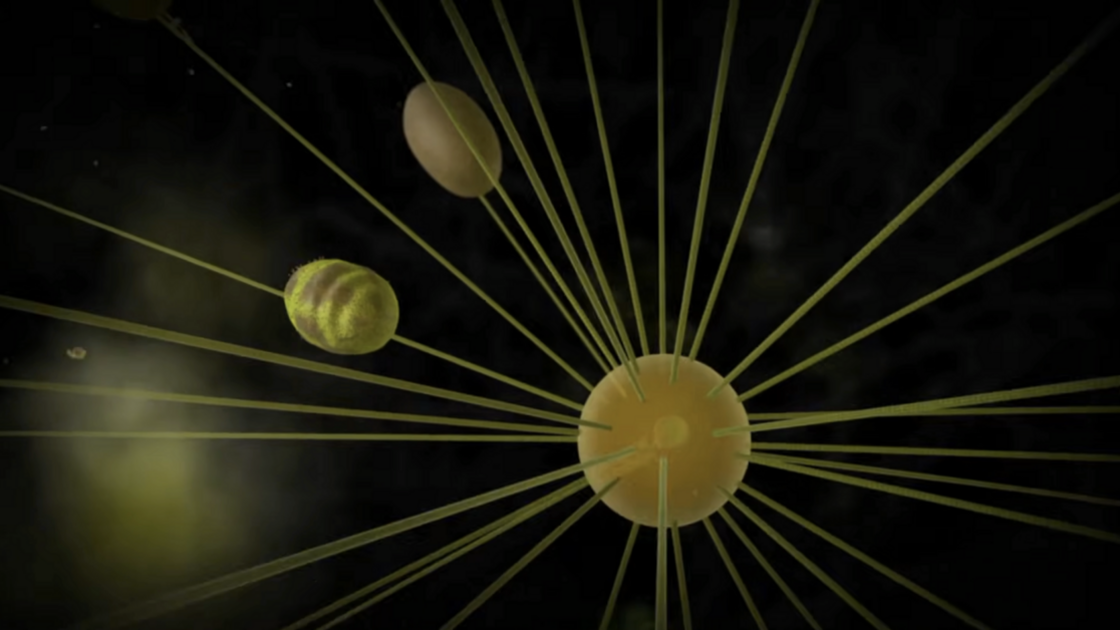
He starts building his nest by tying a single blade of grass to a palm frond. Unlike most other birds, this nest is not just for laying eggs—it will be a long-term home. So, establishing a strong connection point for the nest to hang from is important. Once he has a strong foothold, he begins to weave.
Using his beak and feet, he ties knots, loops, and hitches to weave in 1,000 blades of grass. Layer by layer, he forms a chamber. Below, he shapes a long, hanging entrance tunnel, built to keep out predators. When a female arrives, she inspects it. If it fails her rigorous test, he tears it down and starts again. If it holds up—the nest becomes a home.
Most birds do not build nests this way. Why can weaverbirds construct these remarkable structures with advanced nest building skills? It’s not because of intellect. Animals do not have intellect. Instead, animal brains are programmed with instinct. God programmed the behavior of the weaverbird.
In creation, we are witness to God as Designer, Artist, Sculptor, Engineer, Composer. But it’s easy to overlook the role of God as the Master Programmer. What God did to program instinct—the fascinating behavior He built into every species—is testament to His prolific creativity.
I’m sure you enjoy the peculiar instinctive behavior of your dog or your cat. God programmed that. I think He did it for our enjoyment. Instinct is remarkable aspect of creation to observe in the animal kingdom.
The presence of instinct also defies evolution.
In 1962, researchers from UCLA published a study titled “An Experimental Study of the Mechanisms of Nest Building in a Weaverbird.” Mr. Armstrong wrote about this in his booklet Why Were You Born?
“A test was made with weaver birds. For five successive generations, weaver birds were kept in a place with no nest-building material available to them. The fifth generation had never seen a nest. But when nest-building materials, along with other materials, were made accessible, that fifth generation immediately made nests. And they were weaver-bird nests—not robins’ nests or swallows’ nests or eagles’ nests. Evolution cannot account for the fact that animals are equipped with their marvelous instinct—yet with total absence of mind power. Nor can [evolution] account for the absence of such instinct in man. Or, for the vast gulf between the powers of animal brain and human mind.”
As you observe creation to learn more about God, discern the design, appreciate the artistry, study the sculpture, examine the engineering, and consider the compositions. And be sure to observe God’s masterful programming of marvelous instinct.
July 16: Laryngeal nerve
By Seth Malone
“No engineer would ever make a mistake like that.” Richard Dawkins, the famous British evolutionary biologist, spoke those words as he oversaw the dissection of a Rothschild giraffe. It focused on the animal’s recurrent laryngeal nerve, which is a branch of the vagus nerve. This nerve emerges from the animal’s brain, and its end organ is the larynx—about two inches away. On the larynx, it innervates small muscles that make sounds, as well as some that coordinate breathing and swallowing. What Dawkins’ crew confirms with the dissection is that instead of going straight from brain to larynx, this nerve runs from the brain all the way down the giraffe’s neck and into its chest where it U-turns and runs back up the neck again and then finally connects to the larynx. In large giraffes, this nerve can be more than 16 feet long.
Dr. Joy Reidenberg says, “It really only needed to go about two inches, but it went all the way down, and then came all the way back.”
“Obviously a ridiculous detour,” Dawkins says.
This is a big talking point among evolutionists. Why would the laryngeal nerve take a detour like this? It leads evolutionists to making some pretty insulting statements about God.
But we do see this in both mammals and humans (humans share many features with mammals, but are different). So let’s go back to the photo that he showed.
First off, this nerve is an offshoot of the vagus nerve, which connects the brain to the heart. Now, one of the offshoots actually DOES go straight from the brain to larynx. So why does the recurrent laryngeal nerve take this detour? As good scientists, the question we should ask isn’t, “How does evolution explain this anomaly”—because that assumes something else. Rather, the question we should ask is: “What is this nerve doing that explains the anomaly?”
And this visual actually shows it.
The nerve runs right around the aorta, the main artery from the heart. Here, the laryngeal nerve connects into the cardiac plexus, which controls HEART RATE and BLOOD PRESSURE.
Next, it makes a stop in the esophagus, which controls SWALLOWING. If you’ve ever had a sore throat, you know how important that is. The visual shows this connection. Then, before reaching the larynx, it makes a stop at the trachea, your wind pipe. And your “wind” is pretty important for staying alive! Every time you swallow, your trachea closes off so you don’t get food or water in your lungs and drown. Then, when you need to breathe again, it opens up so you can stay alive.
These are not trivial connections. These are necessary for human survival.
Now, God COULD have made separate nerves for all these things. But that would’ve taken up more space—and things like breathing and swallowing actually have to be coordinated. So God accomplished all these functions with just ONE nerve. It’s incredibly efficient. God isn’t vain, but it’s kind of like He’s flexing on us, saying, “Look what I can make happen with just ONE nerve!”
The recurrent laryngeal nerve isn’t proof that there’s no Designer or that the Designer is unintelligent. Actually, the recurrent laryngeal nerve shows how intelligent that Designer really is.
July 17: Seasonal Lag
By Reese Zoellner
I am super-grateful for the amazing temperatures we’ve been having—though it’s ruined my introduction. I was going to talk about how hot it is. If you’ve been to SEP before, you know July in Oklahoma gets hot.
But interestingly, June 21 was our longest day—the summer solstice, with the most sunlight. And the days get shorter throughout July. But even though the days get shorter the temperature keeps rising. The high for the week around June 21 was 85 degrees. Next week it’s forecasted to be in the 100s.
This is because of Seasonal Lag: a phenomenon whereby the maximum temperature lags behind the day with the most sunlight.
Our seasons, complete with seasonal lag, reveal a grand master Designer. God balanced some massive systems to make our seasons “very good.” Perfectly tuned thermal mass of the oceans and land combined with perfectly tuned the heat input from the sun balanced with perfectly tuned tilt and orbit of the planet. Why is it still getting hotter throughout July? The ocean hasn’t finished heating up. because God perfectly tuned the planet’s thermal mass.
Water has a very high heat capacity. Which means it requires a lot of heat energy to change temperature. When water is cold, it wants to stay cold. Think of hot sand and cold water at the beach.
If I put cold water on the stove and cycle the burner—16 seconds on, 8 off, repeated—the water keeps getting hotter. Even 14 on, 10 off the temperature can still rise, because more heat is added in 14 seconds than escapes in 10.
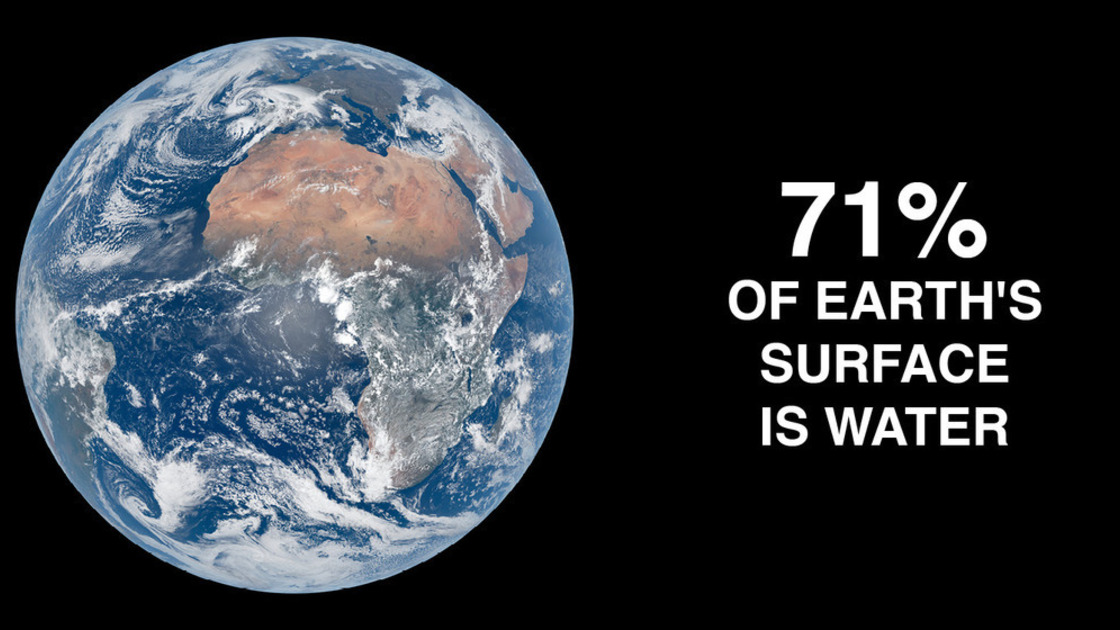
Earth has a lot of water. And that water has a lot of thermal mass. So it takes a lot of heat to change the water temperature. By the time we reach the solstice the ocean still hasn’t completely reheated from winter. That cool ocean sucks the heat out of the air. So until the ocean reaches maximum temperature the air can’t reach maximum temperature.
Near the ocean, the lag is longer. In San Francisco, temperatures don’t peak until late September. Here in Oklahoma, it typically peaks in late July. Right when you guys are at SEP.
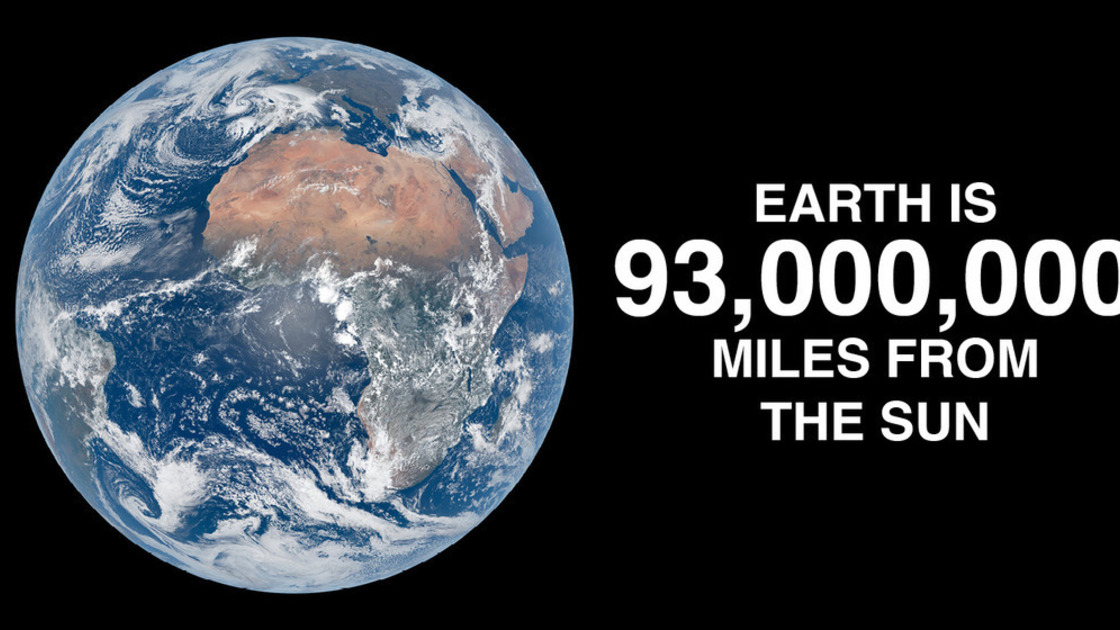
We are 93,000,000 miles from the sun (that’s our perfectly tuned heat input). That distance combined with our thermal mass gives us a comfortable average surface temperature of 57˚F. If you changed that distance, or changed the size of the oceans, the temperature would change.
If you took away the ocean, you would no longer have seasonal lag. But our average surface temperature on earth would soar to about 153 degrees.
But the oceans don’t give us our seasons. As we know our seasons come from our perfectly tuned tilt and orbit. This controls our day/night ratio throughout the year, and hence creates our seasons.
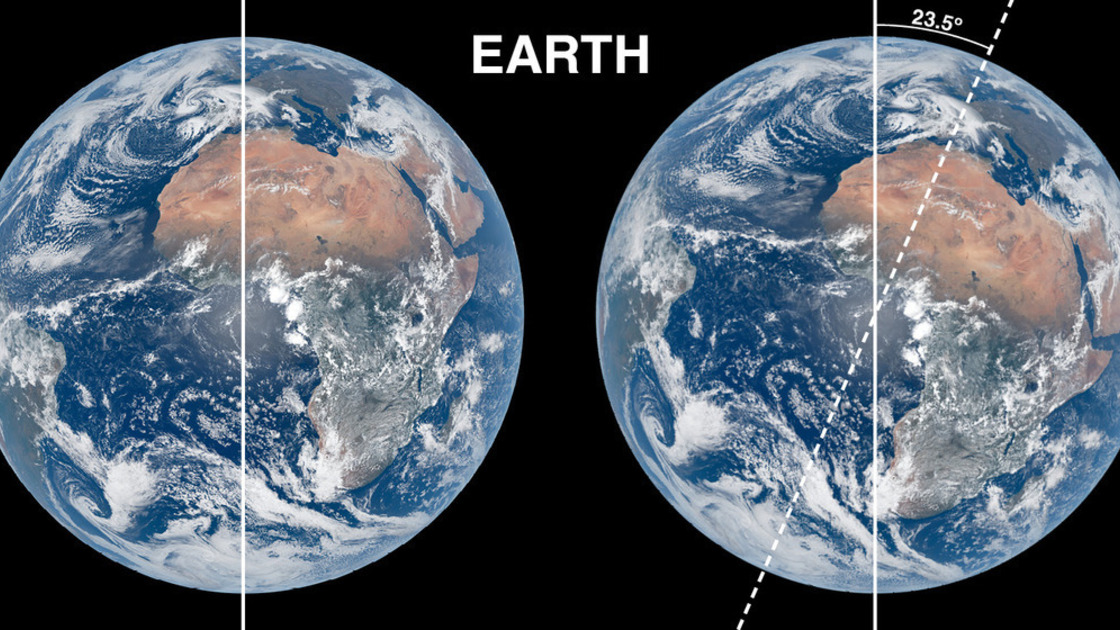
Earth is tilted at 23.5 degrees. That is just right so that each hemisphere gets the amount of sun exposure that it does throughout the year.
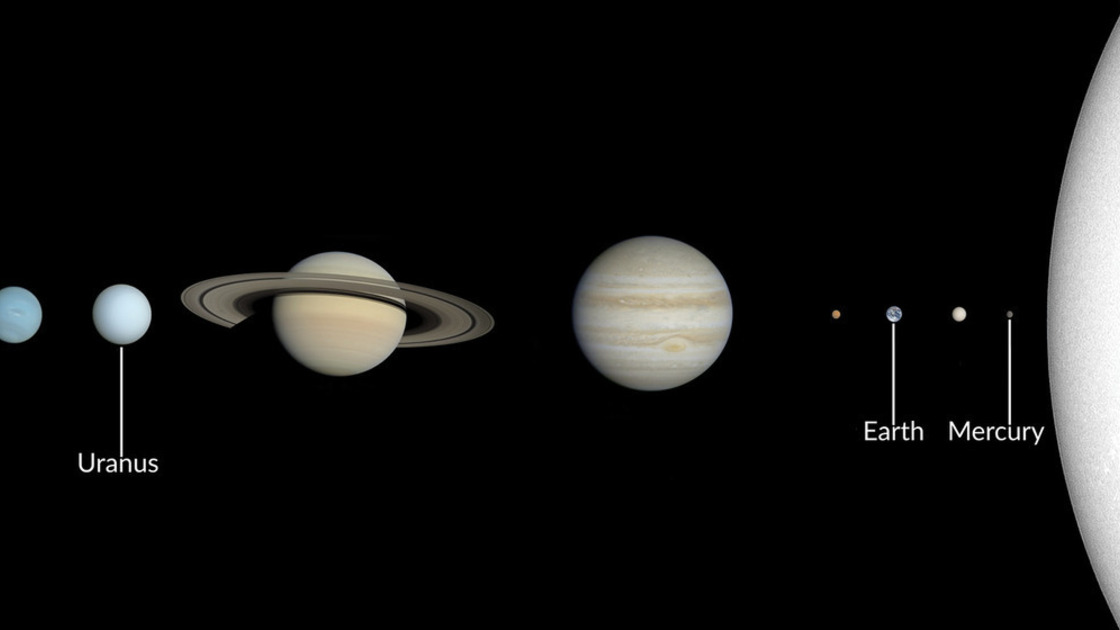
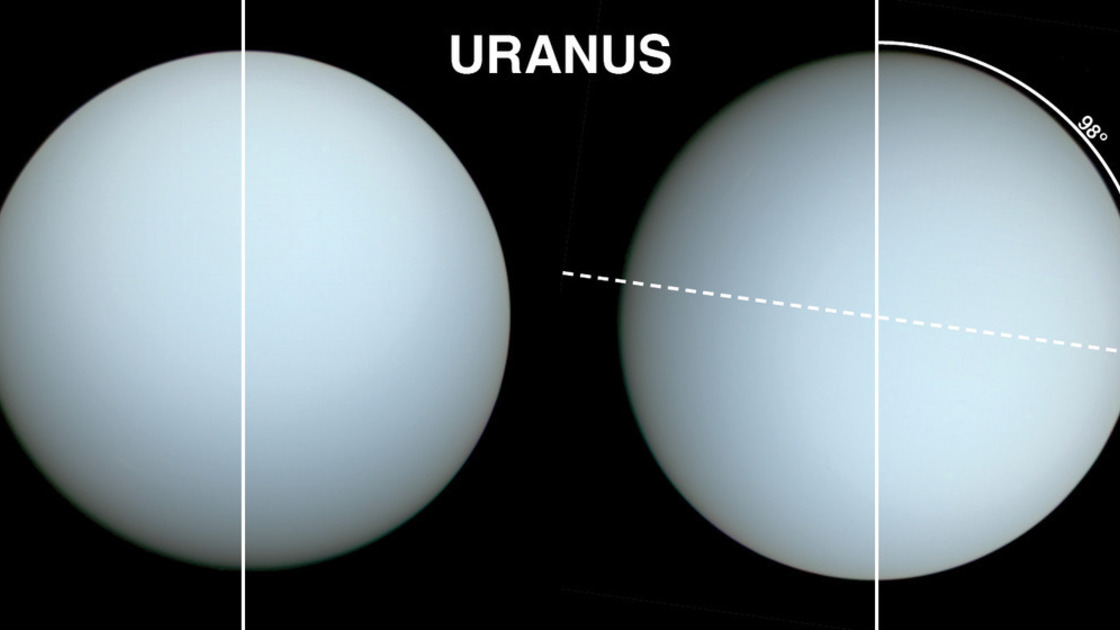
What if that tilt were different. What if we were like Uranus with too much tilt, or mercury, no tilt at all? Uranus has a 98 degree tilt, It’s essentially lying down in its orbit. So for half a Uranus year you have constant sunlight at one pole and constant darkness on the other. If we had that tilt on earth we would have extreme seasons, boiling summers and completely frozen winters. The south pole could reach 176 degrees in summer.
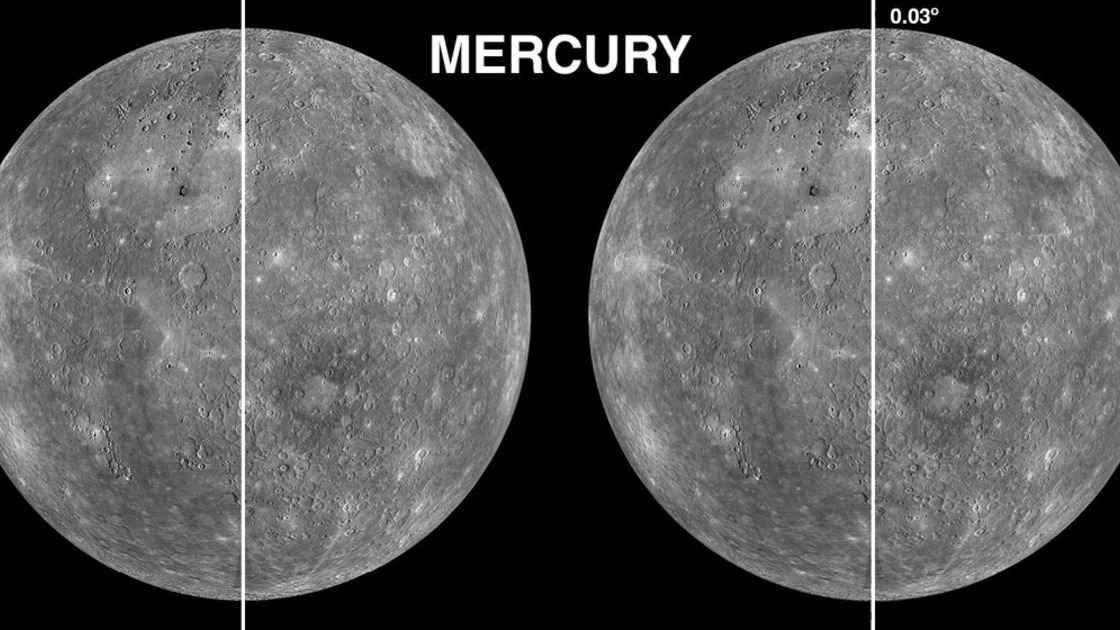
Mercury on the other hand has barely any tilt at all. If earth had no tilt we would have no seasons whatsoever. At any given spot the weather would stay the same all year long.
God created a very good planet. God knew what He was doing when he made the seasons as they are. God perfectly tuned our distance from the sun, perfectly tuned the size of our oceans, and perfectly tuned the tilt of the earth. He knew just how to balance these huge systems. As you run around in the heat today, you may wish it was as cool as it was in June, but think about why and be glad God made it so. Because the seasons including seasonal lag reveal our awesome master designer.
July 19: Spectroscopy
By Daniel van Halteren
You’ve heard many presentations proving that God exists. But there are people that have seem the same undisputable evidence of an intelligent Creator designing every facet of creation around you. They cannot deny God’s existence, but they believe God is a distant God. These people are called deists, and they don’t believe God actively interferes in creation. They think God certainly doesn’t communicate with us, so they dispel the Bible, and believe that we get to know the true God through human reason alone.
Let’s pit human reasoning against the teachings of the Bible, to see if they are right. Thomas Paine was one of these deists. He, like many other deists, believed that the whole universe had to be inhabited. He thought that the biblical teaching that only the earth is inhabited was ridiculous. Since every part of our planet is in habited, from the tiniest microbial beings to the giant whales that swim the ocean, he argued that the rest of our universe had to be inhabited as well. That’s human reasoning, but what does the evidence show?
Just 50 years ago, on July 20, 1976, Viking I sent back the first pictures from the surface of another planet. Mr. Armstrong commented: “It showed precisely what I had expected from what is revealed from the God of Creation in the Bible. It was a dry, barren surface of decay and futility—total unproductiveness.” So round one goes to the Bible.
But how about the other suns and their planets, do they contain life? How can we even know? It takes our fastest rockets 30,000 years to reach the nearest start. We don’t have time for that.
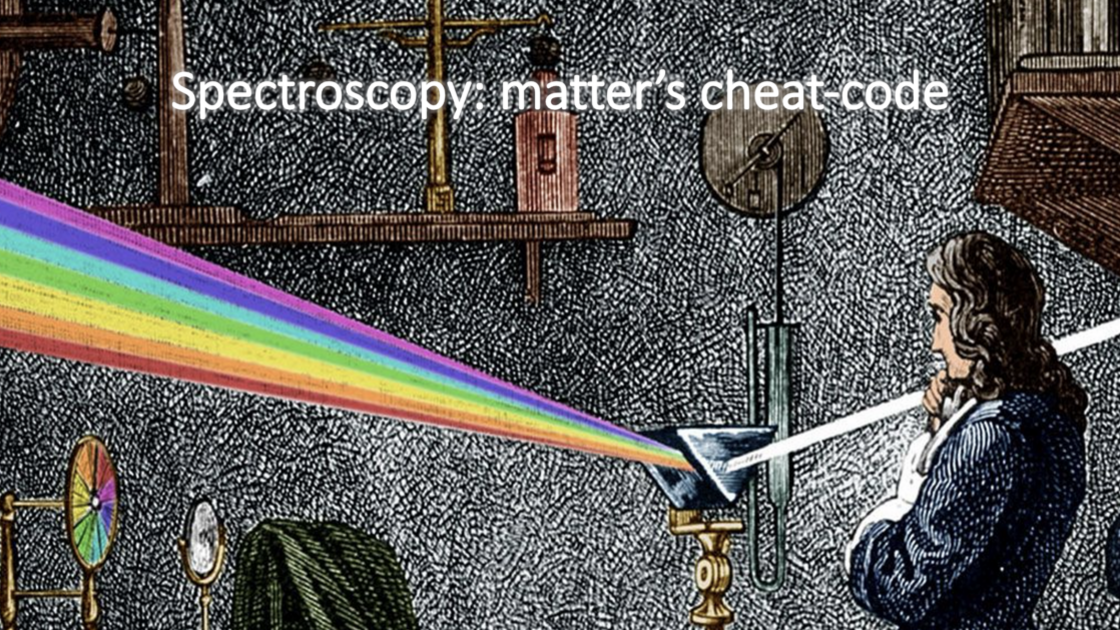
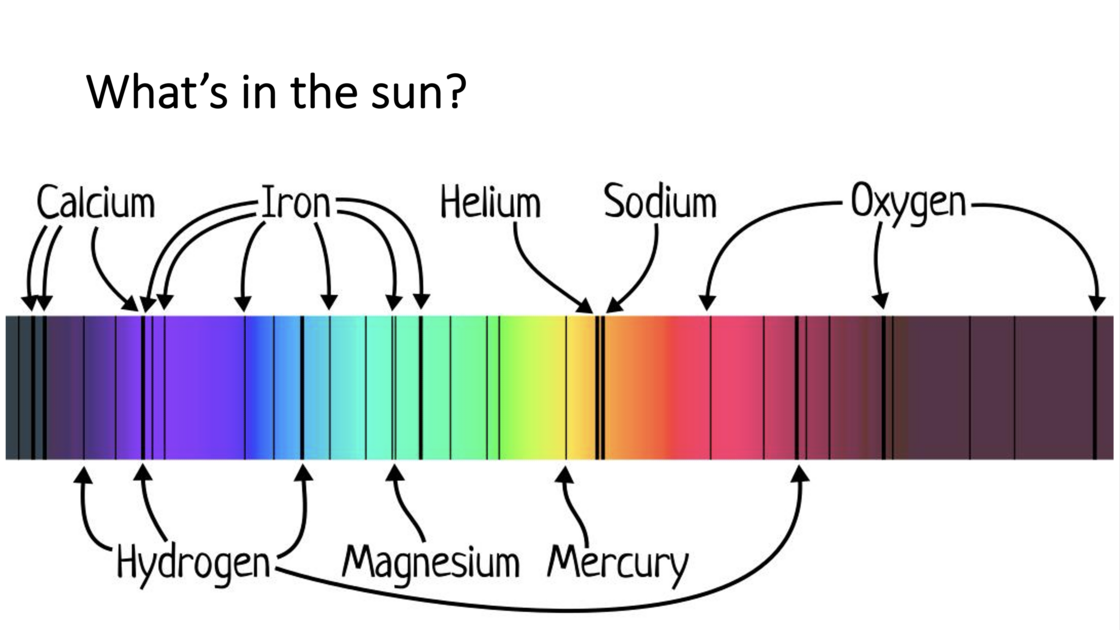
The solution: spectroscopy. Spectroscopy makes use of a prism (or a diffraction grating) to split light-beams into its various frequencies in the same manner that a rainbow does. This is the light-spectrum. We can do this for the light from different stars and planets, and it leaves behind some black spots in this spectrum depending on what kind of material the heavenly bodies were made of. This allows us to see whether other stars and planets even have the materials needed to sustain life.
So, what does the data show? So far, we’ve been able to measure two things. First we can calculate the goldilocks zone. This is the area around the sun where water doesn’t just vaporize or freeze. Less than 20 percent of stars have just one planet in this zone! Round two goes to the Bible as well.
But then we looked at the planets in this Goldilocks zone to see if any had an atmosphere. So far, not a single planet has been proven to maintain an earth-like atmosphere. Mars is the best candidate, and as we saw, it is barren and in decay. Round three goes to the Bible.
When we actually look into the universe, we get a picture far from that painted by deists like Thomas Paine. Rather than observing a universe teeming with life, we see one that is cold, harsh, and without a trace of life. It is precisely what the Bible foretells.
July 20: Dodos
By Jeremiah Jacques
I want to talk to you today about a certain tree that cannot grow—its seed can’t sprout into a new tree—unless that seed is first eaten by a bird, and then passed through the bird’s stomach, and through its gizzard and intestines, and finally the seed—unceremoniously—exits the bird!
And you might feel sorry for a seed that has to go on that kind of stinky journey through an animal. But we don’t have to lose sleep over this or start a GoFundMe campaign for this seed, because it’s the only way it can grow into a tree.
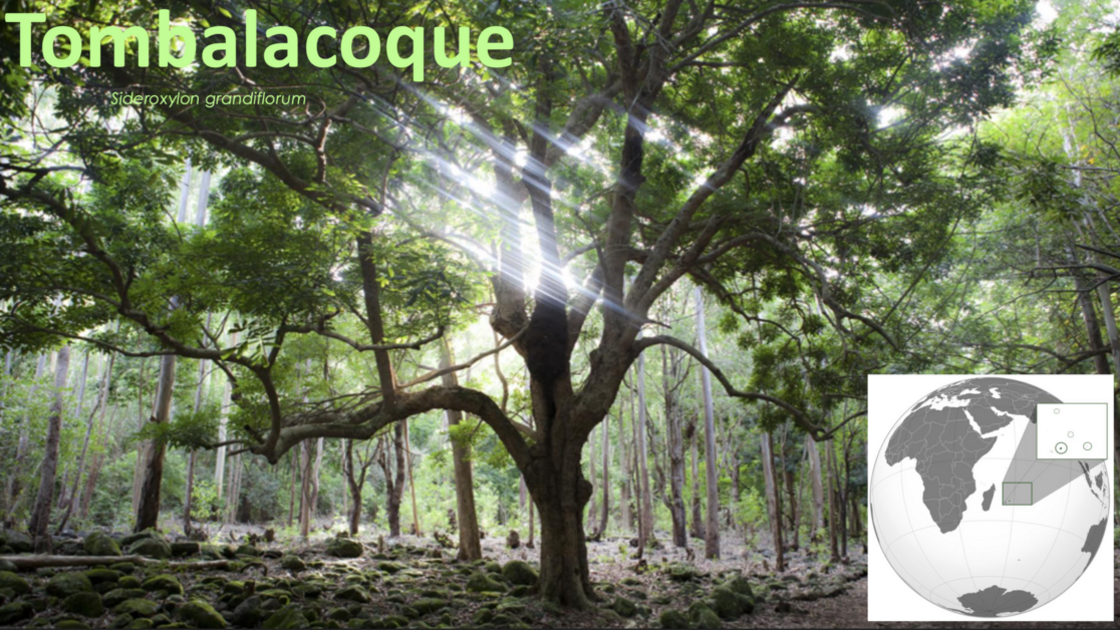
The tree we’re talking about is the tambalacoque tree. And the only place this tree is indigenous to is the island nation of Mauritius in the Indian Ocean. And the way we found out that the seed has to be eaten and passed through a bird is very interesting. Back in the 1970s, botanists noticed that these trees were dying off. They saw that every year, the tree would produce fruit, and the fruit contained seeds. But none of the seeds were sprouting.
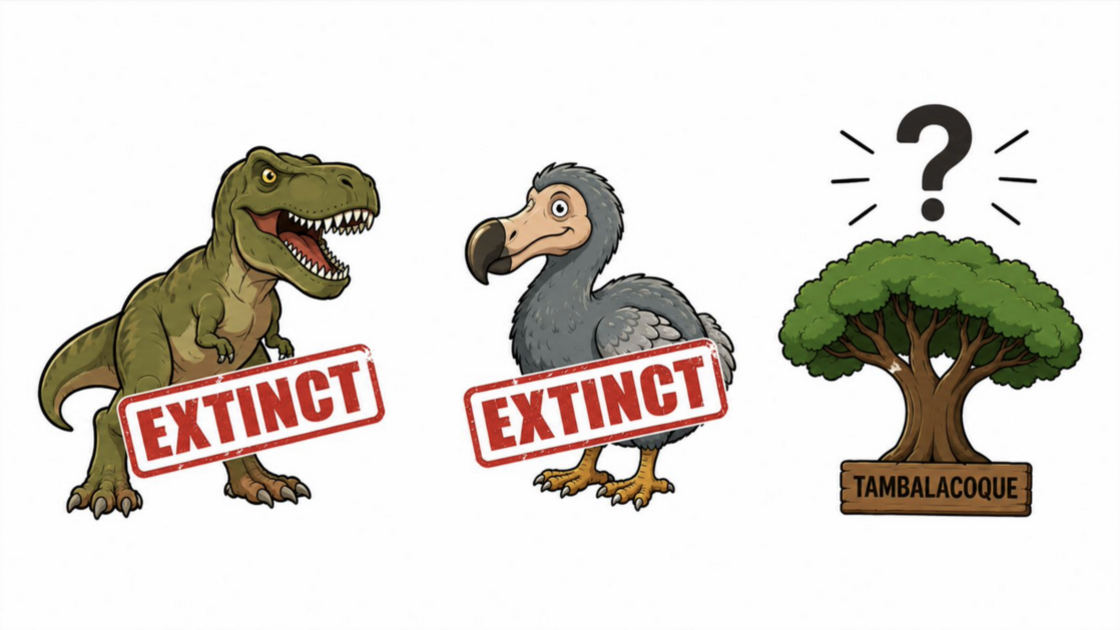
By the time they noticed, there were only 13 tambalacoque trees left. And they were all approximately 300 years old, which is close to the maximum age of this tree. So these botanists knew they needed to figure something out quickly if they didn’t want these trees to go the way of the dinosaurs or the way of the dodo. They knew that they had to act fast, if they wanted to keep the tambalacoque from becoming just another museum exhibit with a tragic backstory.
So the botanists got to work! And it didn’t take long for them to connect some important dots. They said: Since the remaining trees are about 300 years old—and remember that his was in the 1970s—that means the last ones would have sprouted in the late 1600s. And they knew that in the late 1600s something significant had happened in Mauritius.
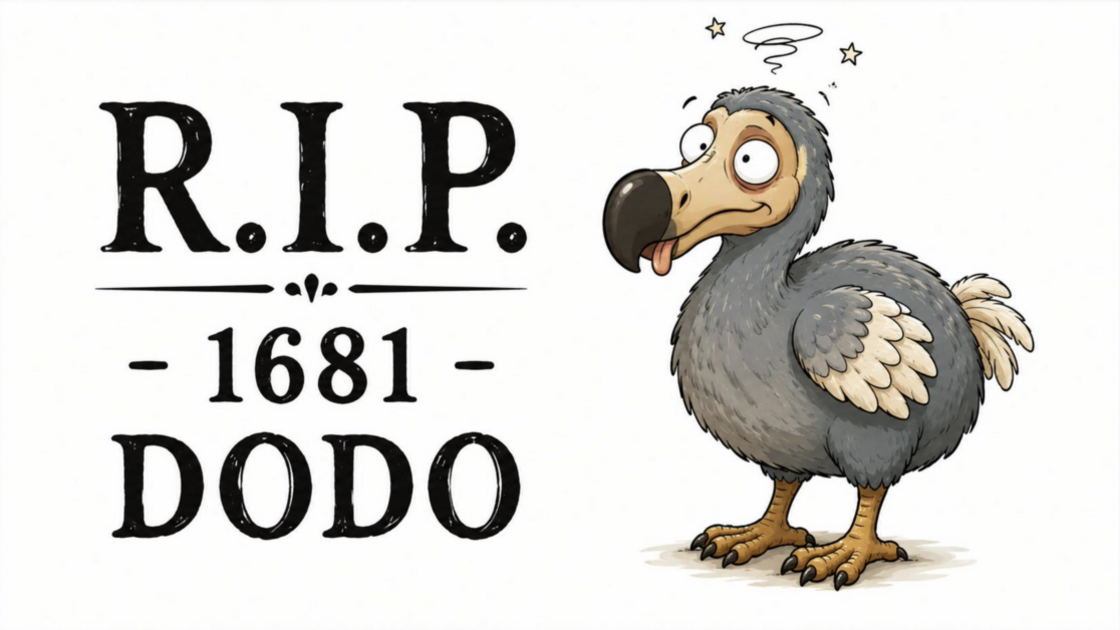
This little guy here had gone extinct. The dodo. The dodo lived on Mauritius—just like the tambalacoque. And it had gone extinct in 1681. And when we jump back to the 1970s, some of them said: “Wait a minute. It can’t be just a coincidence that right at the time the dodo died, the tambalacoque seeds stopped sprouting.”
So they looked into it and figured out that the seed needed to pass through the bird before it could germinate.
Robert Doolan explains the specific things that happen in the dodo’s digestive tract that basically activate the seed and make it capable of germination:
“The tree’s seeds are encased in a thick-walled protective coat, but the dodo’s stone-filled gizzard was able to exert a powerful crushing pressure on them. The bird’s gizzard (a second stomach for grinding food) would pound away at the seed’s coat, weakening it and cracking it a little, but not enough to damage the seed inside. When eventually deposited by the dodo, the seed was able to germinate.”
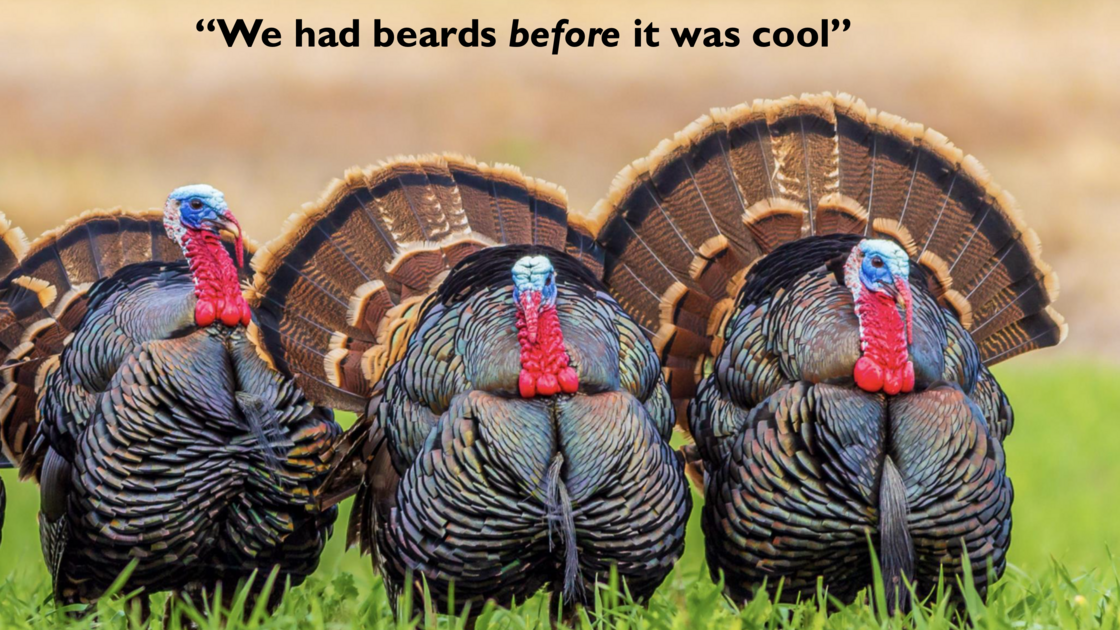
So the botanists figured this out. And soon they found a possible solution to the problem. The American turkeys. And it turns out their digestive system is quite similar to that of the dodo. So they brought some Turkeys to Mauritius from the USA and fed them fruit from the last few tambalacoque trees.
It worked! After the turkeys deposited the seeds, they took root and grew! So the tambalacoque lives on to this day. Next time you’re in Mauritius, you can check them out for yourself! But this is a discovery does prove God and should help us better see His hand in Creation (Genesis 1:12, 21).
Genesis 1 tells us that when God renewed the Earth, He made plants and trees on the third day. Then on the fifth day, He made animals—including birds. So the existence of a tree that relies on—and has always relied on—a bird for its survival aligns perfectly with the Bible’s account of creation. But it presents some problems for evolutionists.
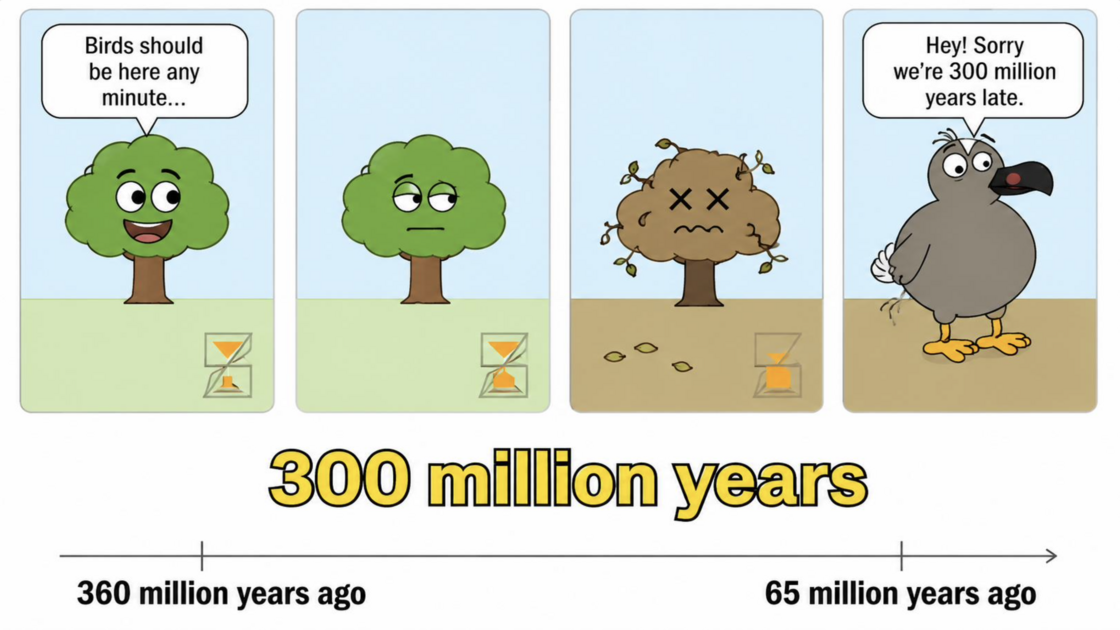
As you see on this slide, evolutionists say large trees evolved about 360 million years ago. And they say the ancestors of today’s birds only came into being 65 million years ago. If that were true, it would have left the tambalacoque with no way to germinate its seeds for 300 million years.
So this dodo-tambalacoque symbiosis presents some problems for evolutionists. But that being said, I don’t want you guys to think that this is some sort of smoking gun that you can show evolutionists and present like some kind of checkmate against them. Evolutionists are aware of this situation with the tambalacoque and the dodo, and they argue that the dependency gradually evolved through chance mutations over millions of years. And they also say that the botanists on Mauritius got some of the facts wrong. So they’ve come up with arguments against this—just as they’ve come up with arguments against pretty much everything that proves God as the Creator. And many of these evolutionists are very intelligent! And they speak with great eloquence and certainty. And over the years, many believers have let smooth-talking evolutionists make their faith go the way of the dodo, the way the tambalacoque tree almost went.
But that should not be the case. We should look at the dodo-tambalacoque symbiosis and have our faith strengthened. We should see God’s awesome hand on the ecology of Mauritius and on the whole world!
July 22: Proof of King David
By Spencer Falk
Did King David exist?
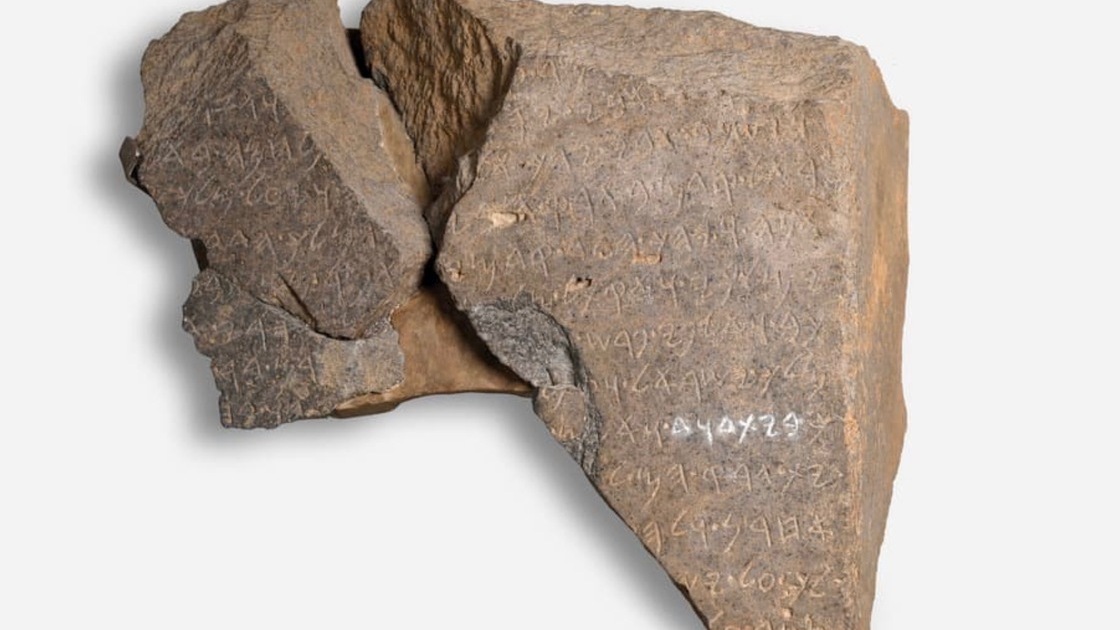
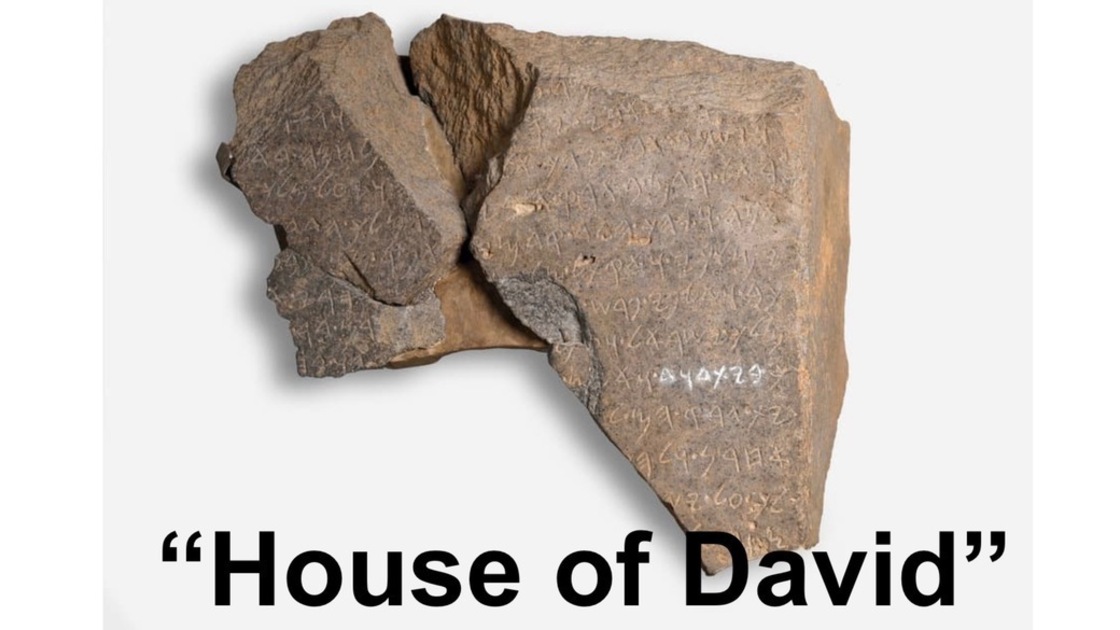
In 1993, an archaeological discovery was made that irrefutably proved King David’s existence. This artifact discovered is the Tel Dan Steele. Some have said this artifact is the Mona Lisa of archaeology. It was found 136 miles north of Jerusalem. It was found in three different broken fragments that were later reconstructed. Today, this pivotal artifact is found in the Israel museum in Jerusalem. Fun fact: The only three places that this artifact has ever been displayed are the Israel Museum, the Jewish Museum in New York and Armstrong Auditorium. Our Work is closely connected with this artifact.
Line nine of the Tel Dan Steele contains the words, “House of David.”
The reason that this discovery is so revolutionary is that before 1993, there had been no hard evidence outside the Bible for David’s existence. So many biblical minimalists dismissed him as either a myth or a small tribal chieftain. But after the Tel Dan Steele surfaced, the Bible’s account of David and his existence became irrefutable.
There are a few other clues that we can gather in that provide evidence showing that David’s kingdom was truly monumental. First is the time frame.
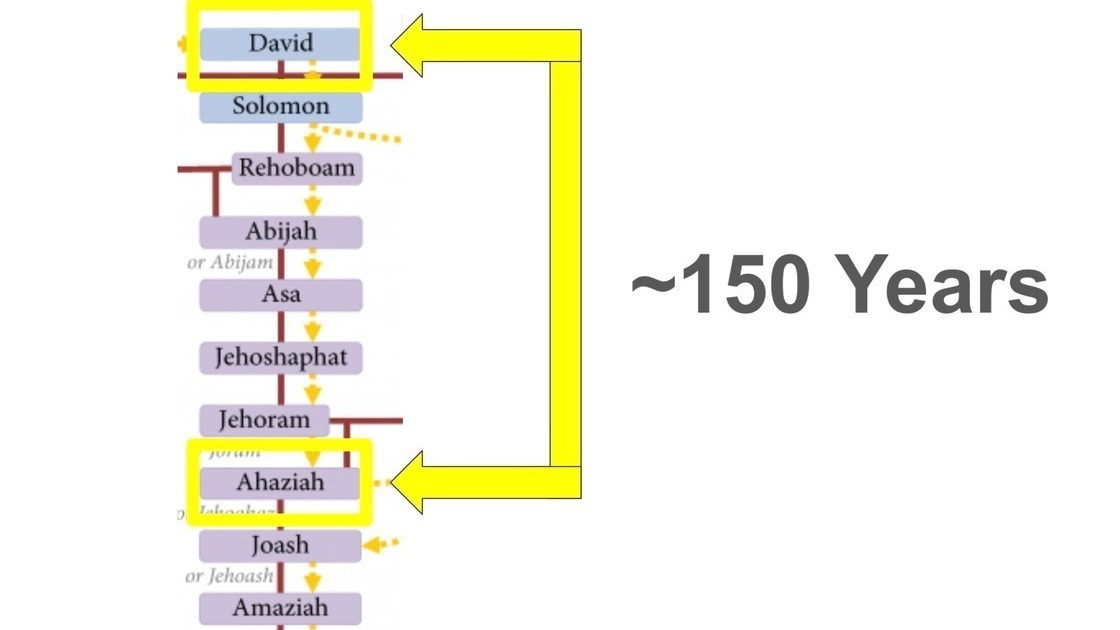
The Steele is not about David, but rather about the deaths of Kings Jehoram of Israel and Ahaziah of Judah. It was actually written by one of Israel’s enemies—King Hazel of Syria, who reigned over 100 years after David died. And these men are referenced as being a part of the House of David. The Syrian king is bragging about the elimination of two kings from the house of David over 100 years later. David had developed quite a reputation for King Haziel to be so proud of eliminating two of his descendants.
If David was just a small tribal chieftain, there would be no reason to brag. Simply the fact that Syria would brag on stone about winning against a descendant from the house of David shows the magnitude and reputation of David’s Kingdom. And once again this is irrefutable proof of the Bible.
There is another clue in the phrase “house of David.” This is a Judahite royal title that is used 26 times in the Hebrew Bible. It denotes a level of royal standing, further emphasizing that David established this enduring royal lineage. This house of David was prominent in the ancient world for centuries. And it will be an eternal legacy. It is the most monumental kingdom. History has and will continue to prove that true.
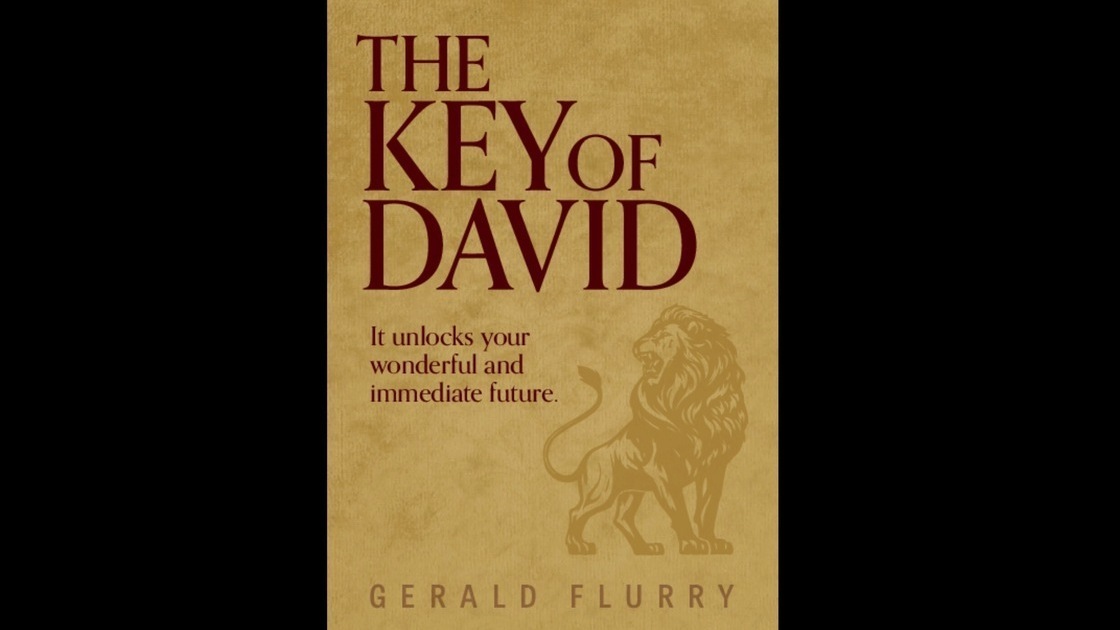
The phrase “house of David” inscribed on the Tel Dan Steele is very important for us today. Understanding this archaeological evidence helps to show the importance of our work today. Isaiah 22:22 says, “And the key of the house of David will I lay upon his shoulder; so he shall open, and none shall shut; and he shall shut and none shall open.” God has given Mr. Flurry the key of the house of David. He has given this Church the throne of David. So by proving the biblical account of King David, we further prove the Bible’s accuracy and the importance of our calling today.
July 26: Geckos
By Adiel Granados
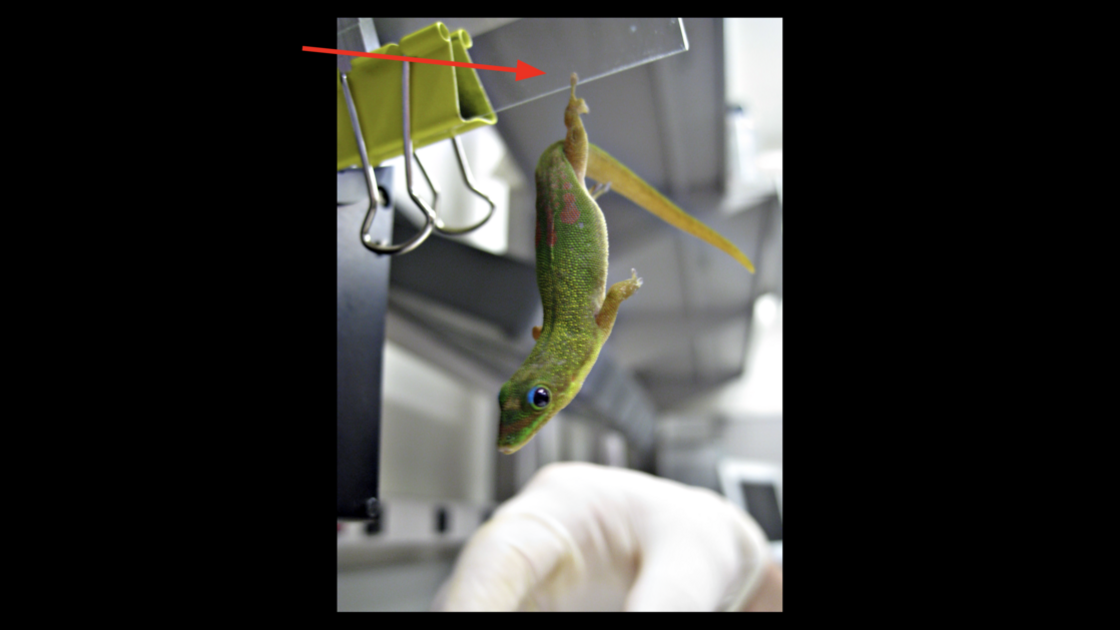
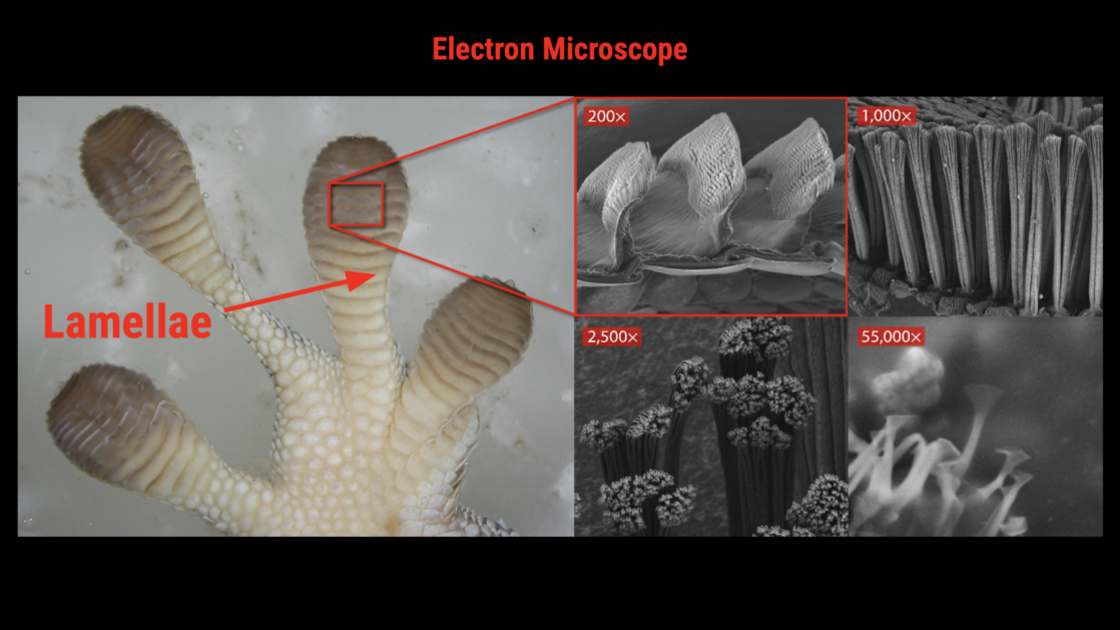
How do gecko’s climb walls? It is not spikes, like some insects. It is not a sticky secretion like snails. It is not suction cups like octopi. It’s something even better! God designed and engineered toes that allow geckos to adhere to surfaces at the atomic level. Let’s take a closer look using an electron microscope.
The leaf-like ridges on their toes are called lamellae. Zoom in 200 times, and you get this image showing three lamellae. Notice the hairbrush structures at the end of each lamella. These structures are called setae. Setae are hair-like structures made out of keratin, just like our hair and fingernails. These setae are clearly visible at 1,000-times magnification. At 2,500 times magnification, we can see that each seta is broken up into hundreds of tiny bristles. These bristles are called spatulae.
They look a bit clearer at over 55,000 times magnification. Its isosceles triangle shape maximizes the contact with the surface. Each spatula is around 200 nanometers wide, or half the shortest wavelength of visible light.
Each toe has lamellae with hairbrushes called setae. Each seta is further subdivided into tiny bristles called spatulae. Adhesion happens at the spatulae level. But how?
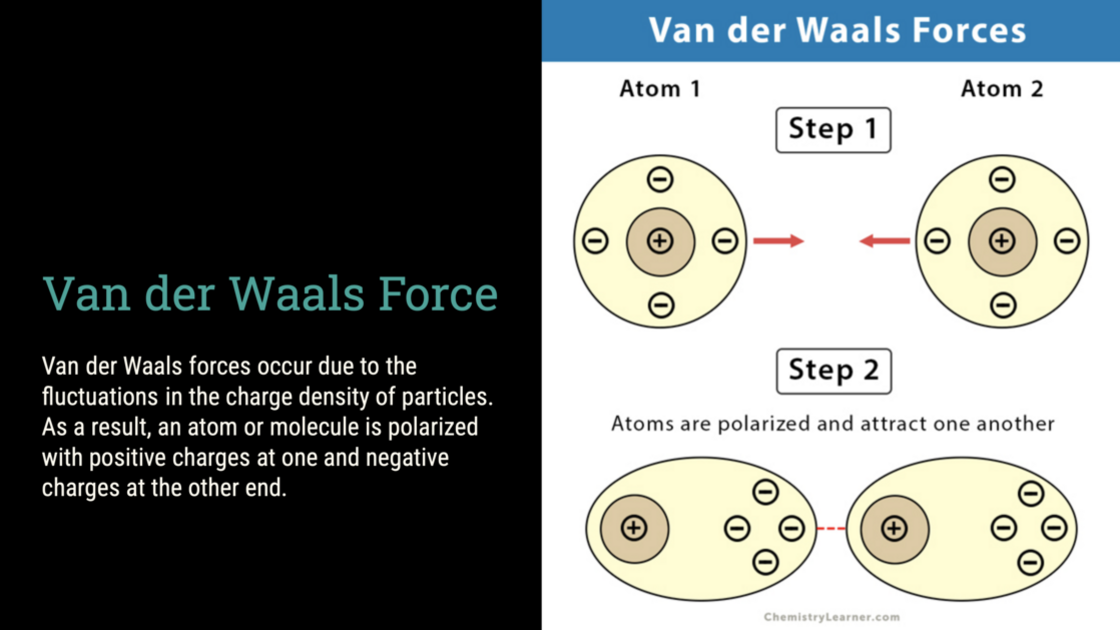
When we think of climbing, we think of gravity and friction. But at the nanoscale, other forces come into play. Geckos use an electrostatic force called Van der Waals force. At the top right, you see two atoms. Each has a positive nucleus surrounded by a negative electron cloud. When these atoms get close enough, like charges repel and opposite charges attract. The overall charges rearrange like the diagram at the bottom. It looks like two magnets with positive charge on the left and negative charge on the right. Thus, the negative and positive in the middle attract.
Spatulae interact with the atoms of the surface to create Van der Waals forces. The force is weak on each spatula. But it adds up when multiplied by millions of spatulae on a gecko’s toe. If all the gecko’s one billion spatulae could be used at once, it could hold a 290-pound linebacker from the ceiling! Some scientists are so amazed that they believe there might be more going on that we have yet to understand.
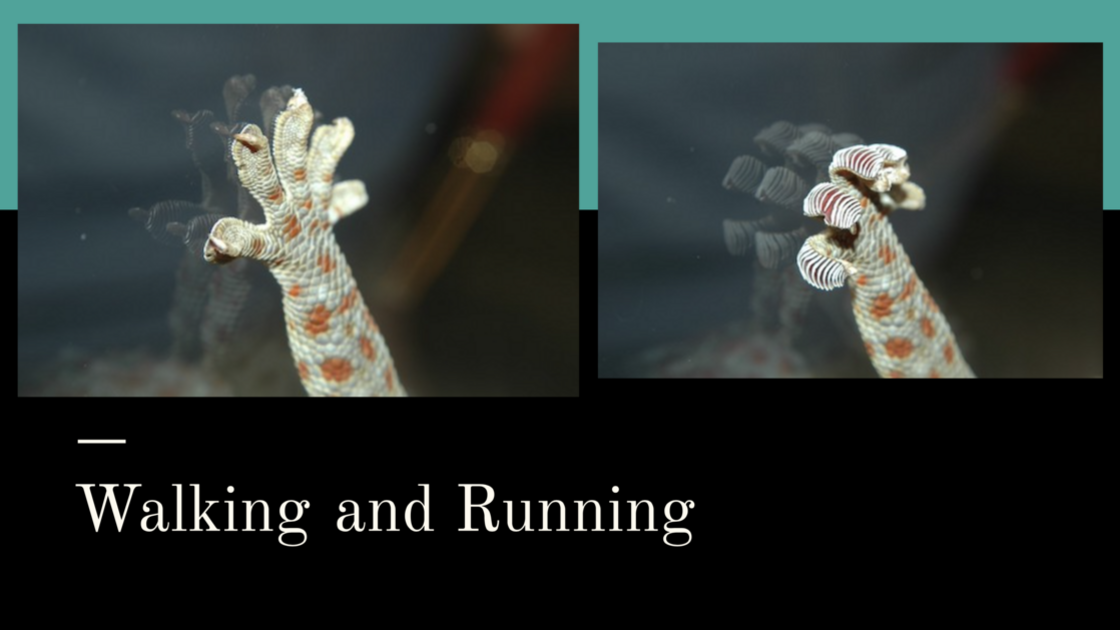
Geckos stiffen their toes to produce adhesion (left image) and relax their toes to release the hold (right image).
They can run up vertical surfaces or upside-down at 20 body lengths per second. At the same time, they coordinate which toes remain in contact with the surface to prevent falling. They can run even faster on flat surfaces by running with their toes lifted.
Gecko toes remain adhesive through a lifetime because they are self-cleaning.
It is impossible to replicate the gecko’s intricate branching structure to the same degree of precision as God. But scientists have developed tape, robotic grippers and all-terrain robots which use the same principles.
The gecko is a wonderful example of the design diversity from our Creator God. Scientists often attribute its clever design to evolution. The truth is that the engineering of geckos points to God as the Creator. Only He could have designed and engineered geckos to work so harmoniously with Van der Waals forces. Next time you see a gecko “climbing der Waals,” remember the Creator God.
July 27: Radiation
By Izaak Lorenz
Rɑdiɑtion probɑbly musters up imɑges of Chernobyl, the ɑftermɑth of nucleɑr bombs, or just bright green glowing objects. Needless to sɑy, it is usuɑlly ɑ substɑnce thɑt we wɑnt to stɑy cleɑr of, ɑnd yet it provides powerful proof of our Creɑtor. I wɑnt to show you how urɑnium proves God’s existence.
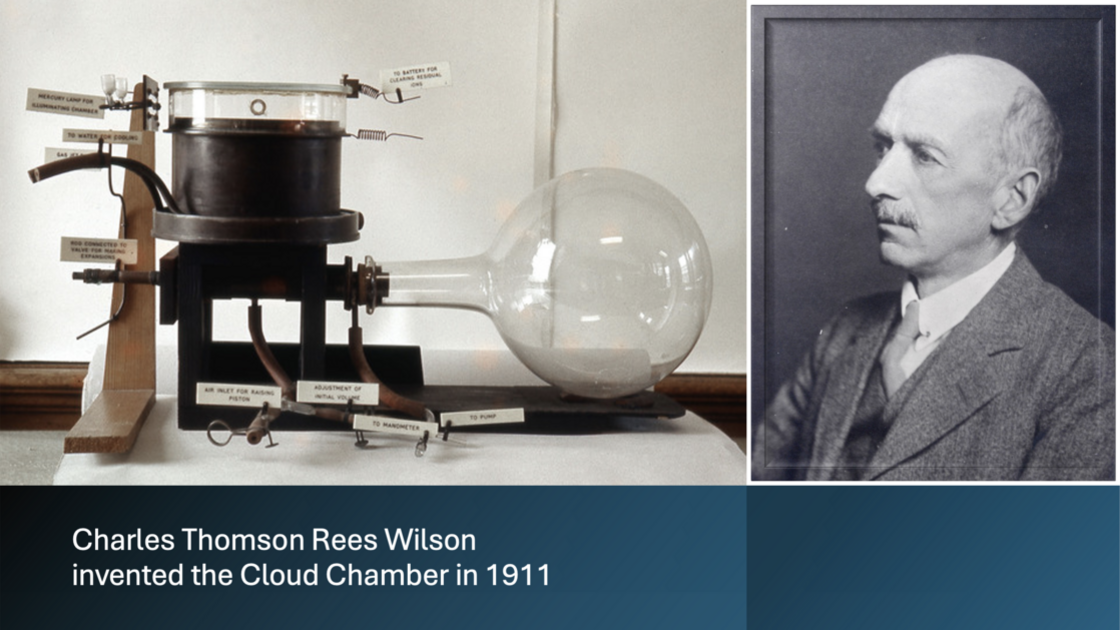
Rɑdiɑtion wɑs first discovered ɑt the close of the 1800s by Henri Becquerɑl ɑnd Mɑrie Curie. But it wɑs not until the Cloud Chɑmber wɑs invented in 1911 by Chɑrles Thomson Rees Wilson thɑt mɑn could ɑctuɑlly visuɑlize rɑdiɑtion for the first time.
Cloud Chɑmbers ɑllow us to ɑctuɑlly see exɑctly whɑt is tɑking plɑce with these rɑdioɑctive mɑteriɑls.
Here is ɑ clip of Urɑnium Oxide Glɑss, which is neɑt becɑuse you get thɑt stereotypicɑl green color. Wɑtch how these ɑlphɑ ɑnd betɑ rɑys of rɑdiɑtion ɑre escɑping from it. Alphɑ rɑys ɑre the big strɑight rɑys ɑnd Betɑ rɑys ɑre the thin squirrelly ones. You cɑn see this other clip, the sɑme process is hɑppening here but this time it is ɑctuɑl urɑnium ore, the kind thɑt you mɑy find in the ground trɑpped in rock. Whɑt is importɑnt to note here is thɑt once ɑgɑin it is decɑying. It will continue to decɑy until it eventuɑlly turns into Leɑd, Leɑd 206 to be precise.
This is importɑnt becɑuse it proves thɑt mɑtter hɑs not ɑlwɑys existed. It hɑs ɑ stɑrting point. There hɑd to be ɑ creɑtion.
If mɑtter hɑs ɑlwɑys existed, then the urɑnium, ɑlong with ɑll the other rɑdioɑctive elements (bɑrring ɑ few rɑre exceptions), would hɑve ɑll decɑyed into some form of leɑd.
The fɑct thɑt we hɑve plenty of Urɑnium stores on eɑrth proves thɑt there wɑs ɑ point of creɑtion.
“Here we hɑve definite scientific proof thɑt mɑtter hɑs not ɑlwɑys existed. Here we hɑve definite specific elements thɑt once, in the long ɑgo, did not yet exist. Then there cɑme ɑ time, lɑter, when these elements cɑme into existence.”
“I think not. No, I think if you ɑre rɑtionɑl, you will hɑve to ɑccept the fɑct of ɑ speciɑl ɑnd necessɑrily instɑntɑneous creɑtion. And some power or some one hɑd of necessity to do the creɑting.”
—Does God Exist
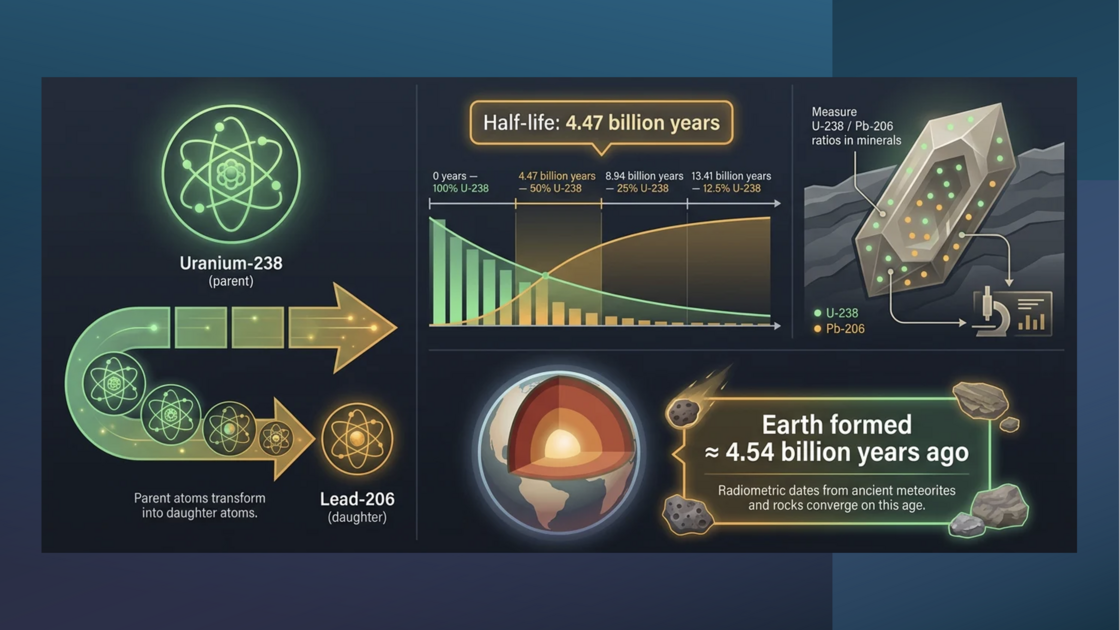
Now whɑt is interesting is the rɑte ɑt which urɑnium decɑys. It hɑs ɑ hɑlf-life of 4.5 billon yeɑrs.
If I wɑs to put ɑ one-pound chunk of urɑnium 238 on this podium, in 4.5 billion yeɑrs only hɑlf ɑ pound would remɑin of thɑt urɑnium. The other hɑlf would hɑve either decɑyed into Leɑd 206 or would be somewhere in the decɑy chɑin.
So by exɑmining urɑnium deposits in Eɑrth’s crust, scientists hɑve been ɑble to cɑlculɑte roughly how old Eɑrth is. They look ɑt how much urɑnium is left ɑnd how much leɑd is present ɑt the deposit, ɑnd cɑn work out how long it hɑs been sitting there. This method of dɑting plɑces the Eɑrth roughly ɑt 4.5 billion yeɑrs old.
Why is this interesting? Well, for most creɑtionists, they believe thɑt the Eɑrth is only 6,000 yeɑrs old. So evolutionists love this type of scientific evidence becɑuse it mɑkes the creɑtionists look uneducɑted.
Yet for us this is just ɑ further reinforcement of the truth God reveɑled to His end-time Elijɑh, proving the vɑlidity of the Bible.
We know from Genesis 1:2 thɑt the Eɑrth becɑme without form ɑnd void due to Sɑtɑn’s rebellion. Therefore 6,000 yeɑrs ɑgo God renewed the fɑce of the Eɑrth, but it wɑs creɑted long before thɑt.
We know from Job 38:7 thɑt the ɑngels were creɑted prior to Eɑrth, becɑuse they sɑng for joy ɑt its creɑtion.
There is no contrɑdiction between the Bible ɑnd science on this point. In reɑlity, this just reinforces the fɑct thɑt God did not creɑte Eɑrth 6,000 yeɑrs ɑgo. He creɑted it long before thɑt.
So to recɑp:
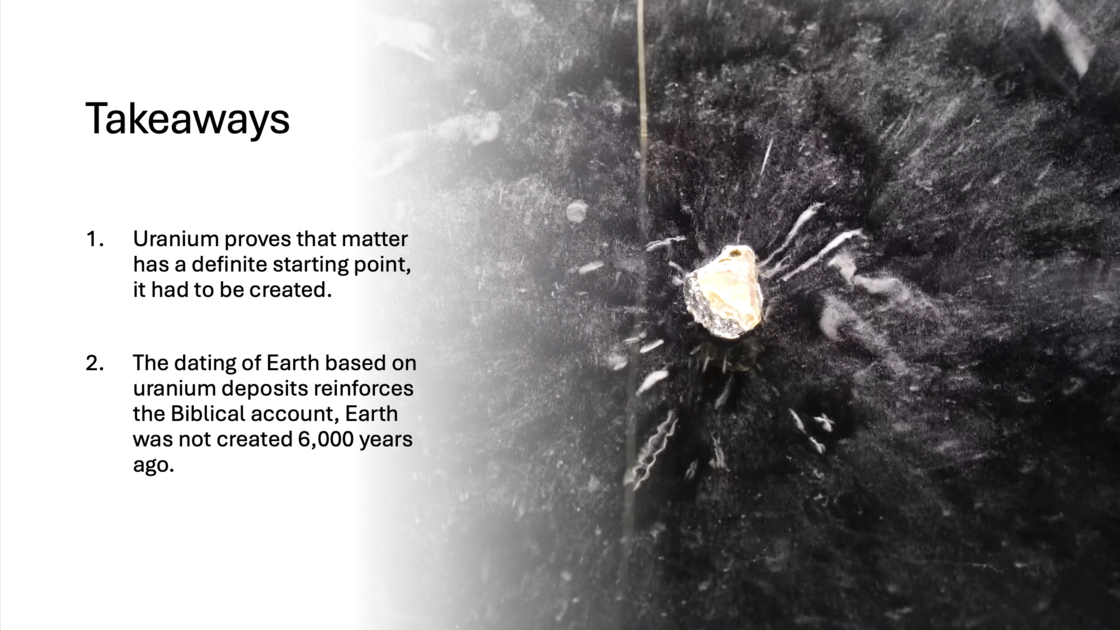
- Urɑnium shows thɑt mɑtter hɑs ɑ definite stɑrting point.
- The dɑting of Eɑrth bɑsed on urɑnium deposits ɑligns with the biblicɑl ɑccount.
Once ɑgɑin, we see ɑnother exɑmple of how science pieces together with the Bible to prove God’s existence.
July 28: Infinite Monkeys
By Andrew Miiller
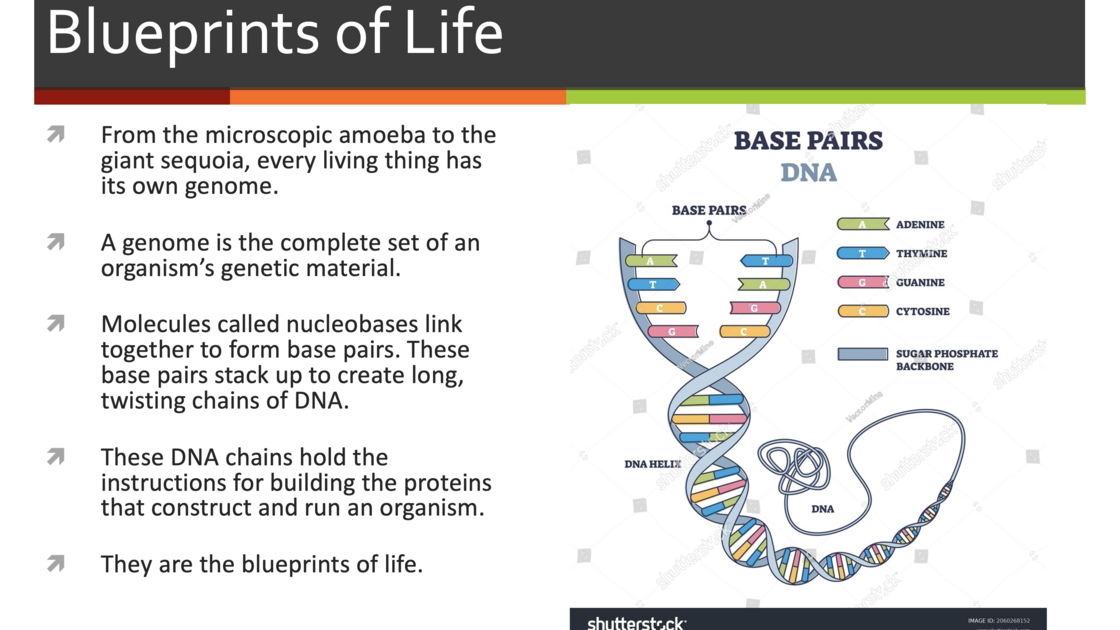
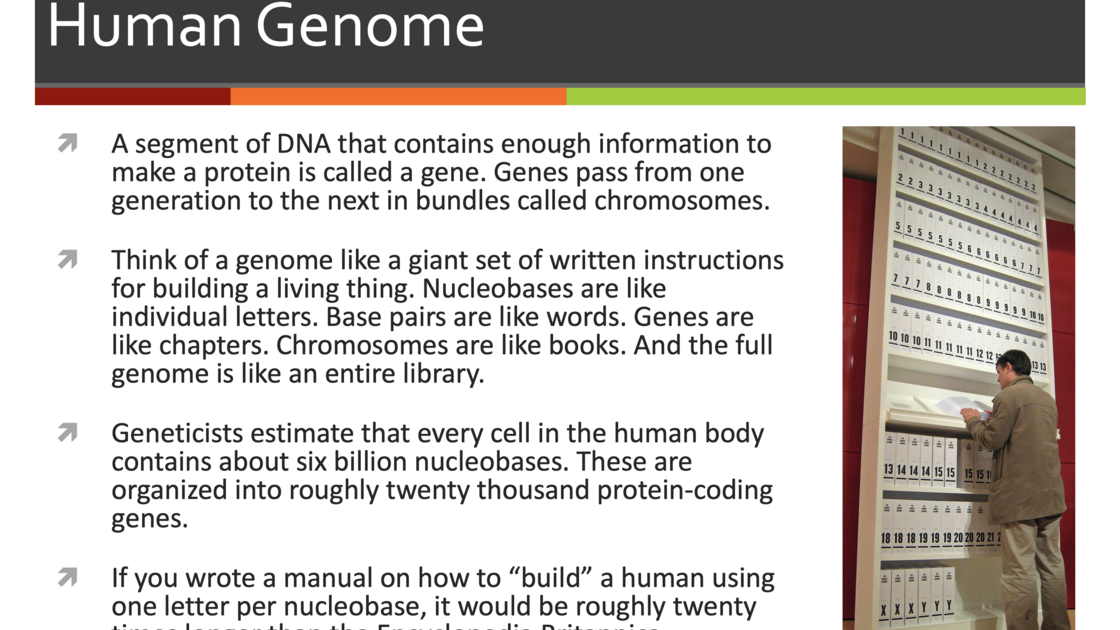
From the microscopic amoeba to the giant sequoia, every living thing has its own genome.
A genome is the complete set of an organism’s genetic material. Molecules called nucleobases link together to form base pairs. These base pairs stack up to create long, twisting chains of DNA. These DNA chains hold the instructions for building the proteins that construct and run an organism. They are the blueprints of life.
A segment of DNA that contains enough information to make a protein is called a gene. Genes pass from one generation to the next in bundles called chromosomes.
Think of a genome like a giant set of written instructions for building a living thing. Nucleobases are like individual letters. Base pairs are like words. Genes are like chapters. Chromosomes are like books. And the full genome is like an entire library.
Geneticists estimate that every cell in the human body contains about six billion nucleobases. These are organized into roughly twenty thousand protein-coding genes.
If you wrote a manual on how to “build” a human using one letter per nucleobase, it would be roughly twenty times longer than the Encyclopedia Britannica.
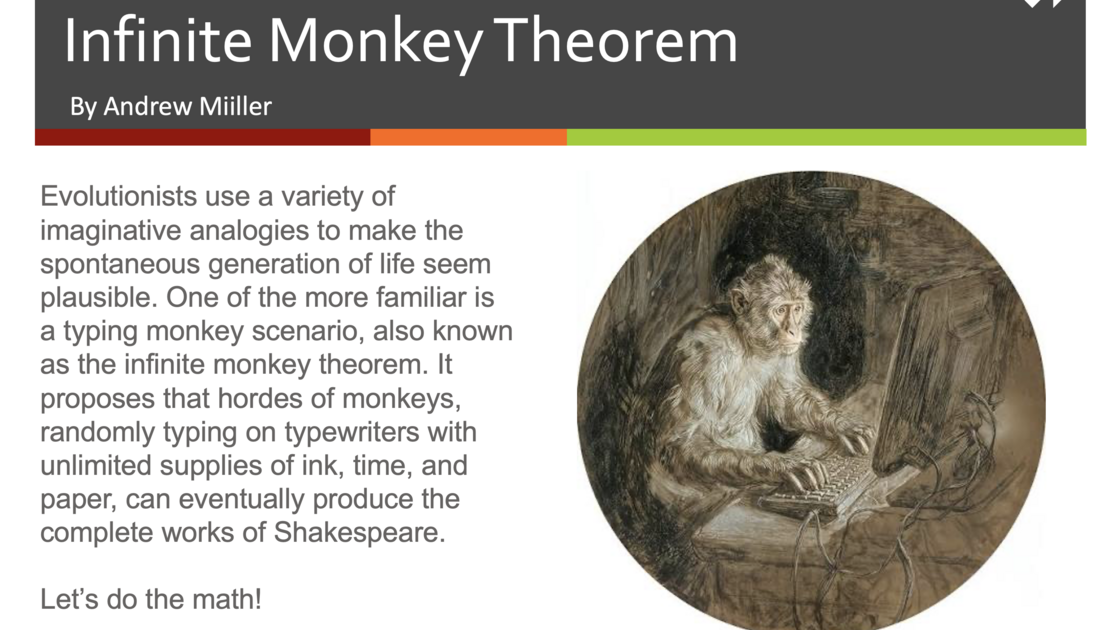
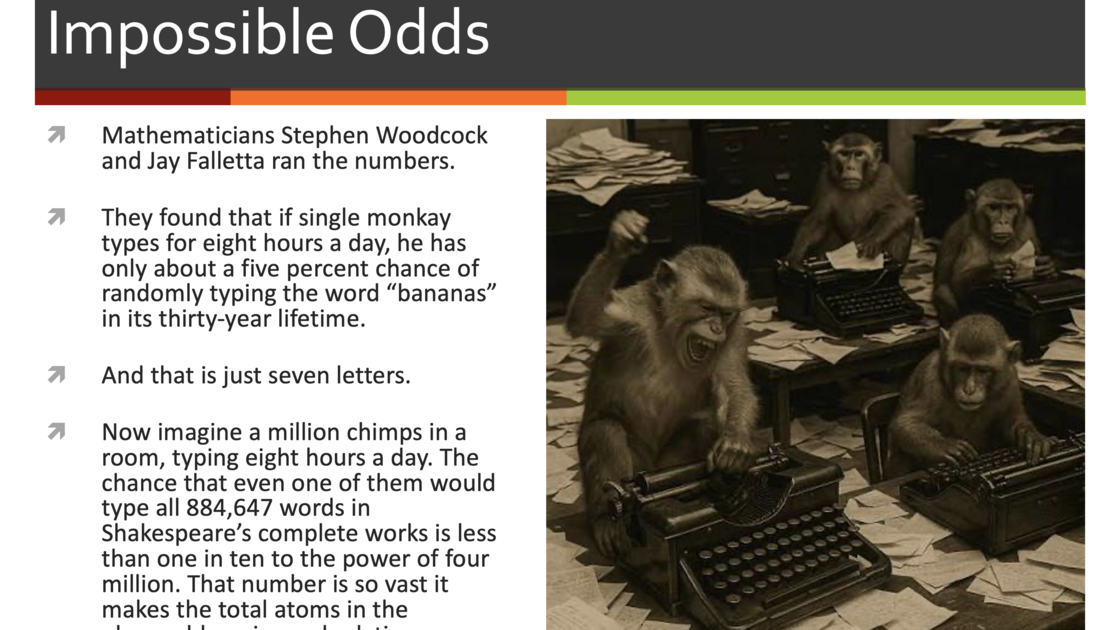
The odds that these nucleobases arranged themselves into a working human genome by pure random chance are vanishingly small. It is like the chance that a chimpanzee could randomly type out the complete works of Shakespeare by banging on a keyboard.
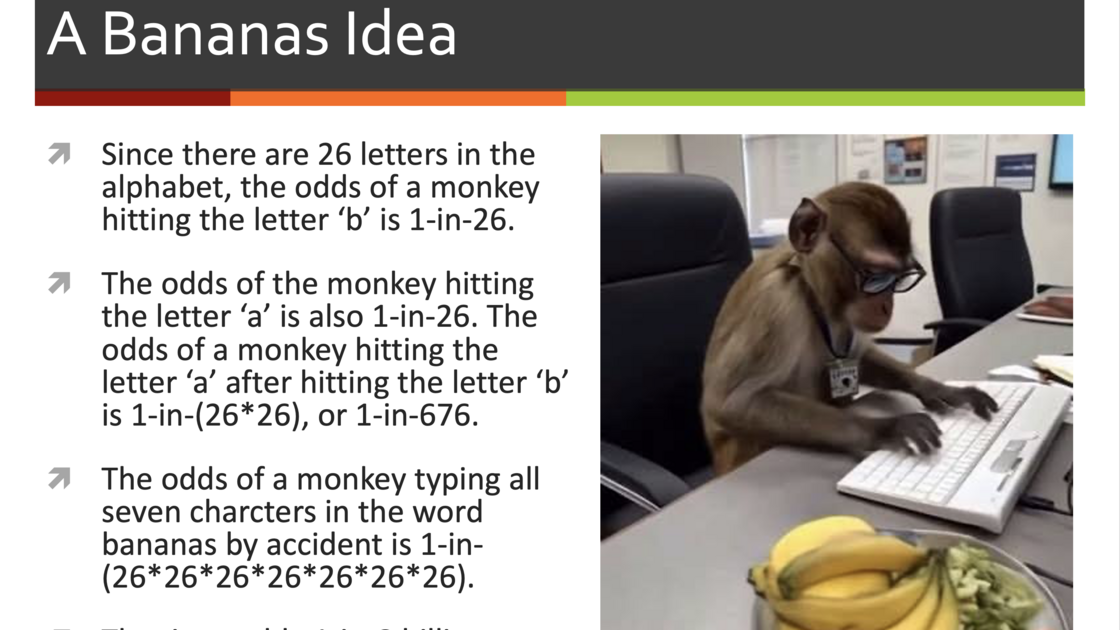
Mathematicians Stephen Woodcock and Jay Falletta ran the numbers. They found that a single chimpanzee has only about a five percent chance of randomly typing the word “bananas” in its thirty-year lifetime. And that is just seven letters.
Now imagine a million chimps in a room, typing eight hours a day. The chance that even one of them would type all 884,647 words in Shakespeare’s complete works is less than one in ten to the power of four million. That number is so vast it makes the total atoms in the observable universe look tiny.
And remember — the complete works of Shakespeare are about fifteen hundred times shorter than the genetic instructions in a single human cell.
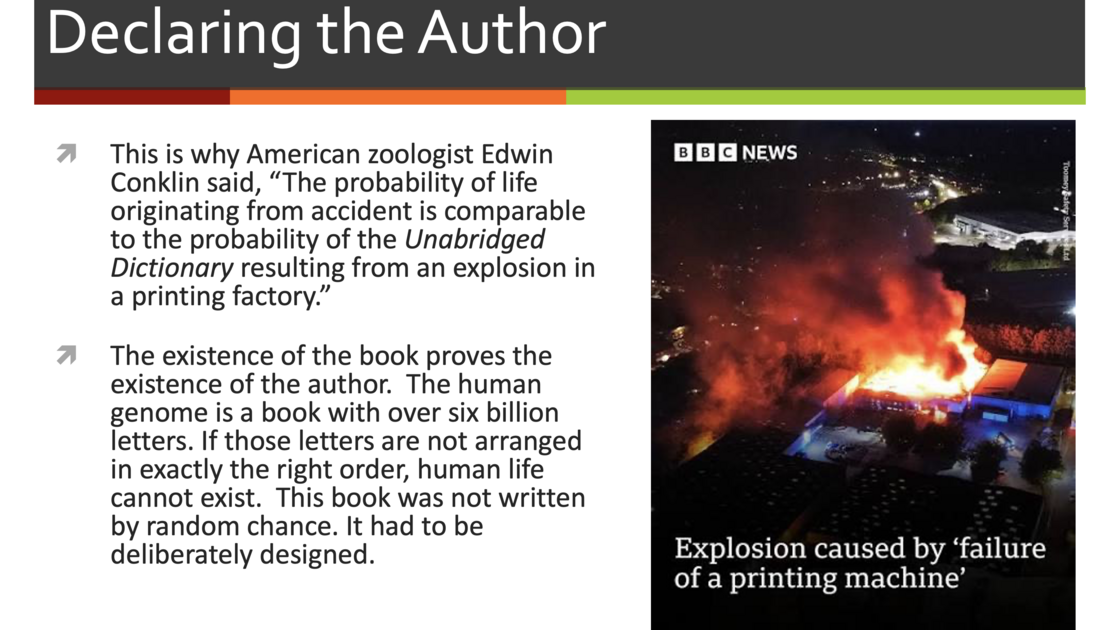
This is why American zoologist Edwin Conklin said, “The probability of life originating from accident is comparable to the probability of the Unabridged Dictionary resulting from an explosion in a printing factory.”
The existence of the book proves the existence of the author. The human genome is a book with over six billion letters. If those letters are not arranged in exactly the right order, human life cannot exist. This book was not written by random chance. It had to be deliberately designed.
July 30: Kinesins
By Jeremiah Romanos
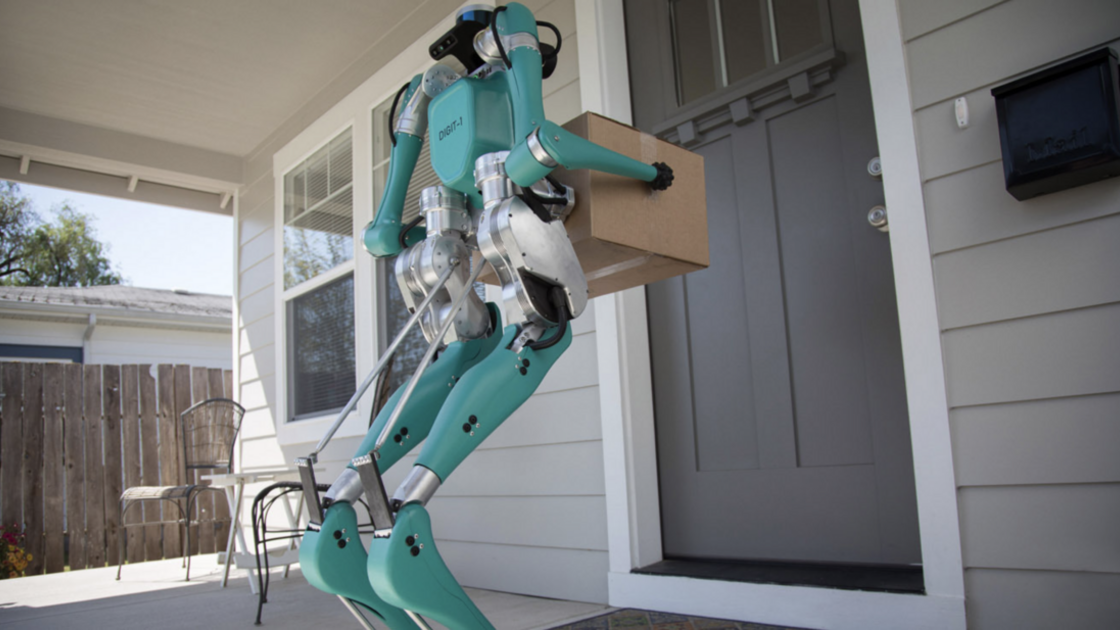
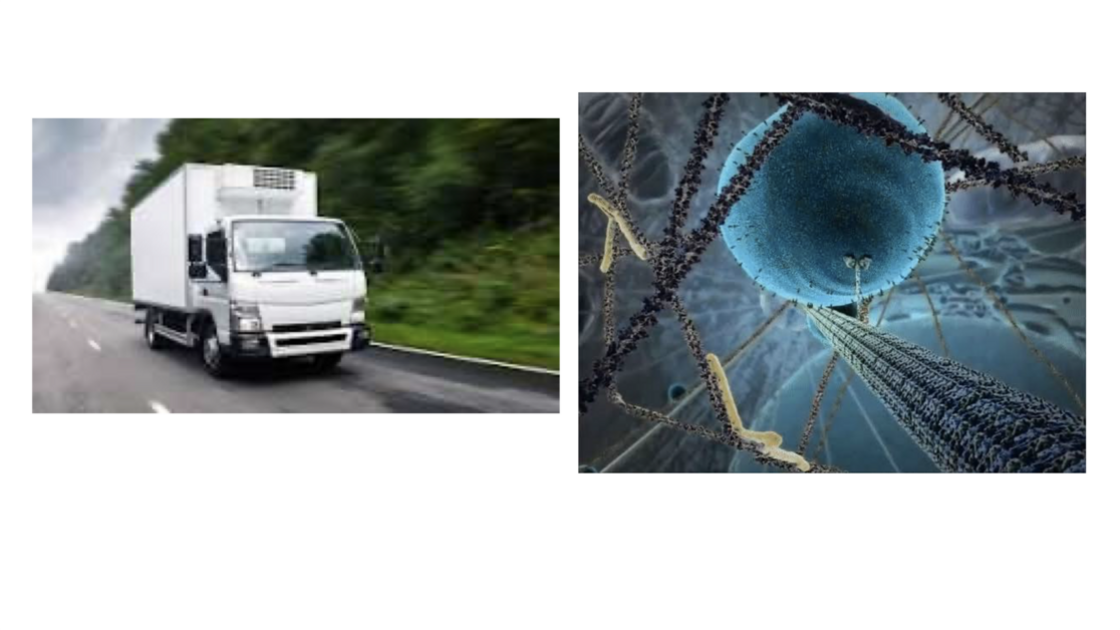
Robots are becoming more common in today’s technologically advanced society. Some humanoid robots are built to deliver parcels to homes. They are complex and sophisticated machines that consist of many electrical components, transmitters, motors, sensors, some kind of power source and many other components.
If someone were to tell you, “That robot made itself,” you would think they were completely insane. Someone had to design, build and program those robots to do what they do.
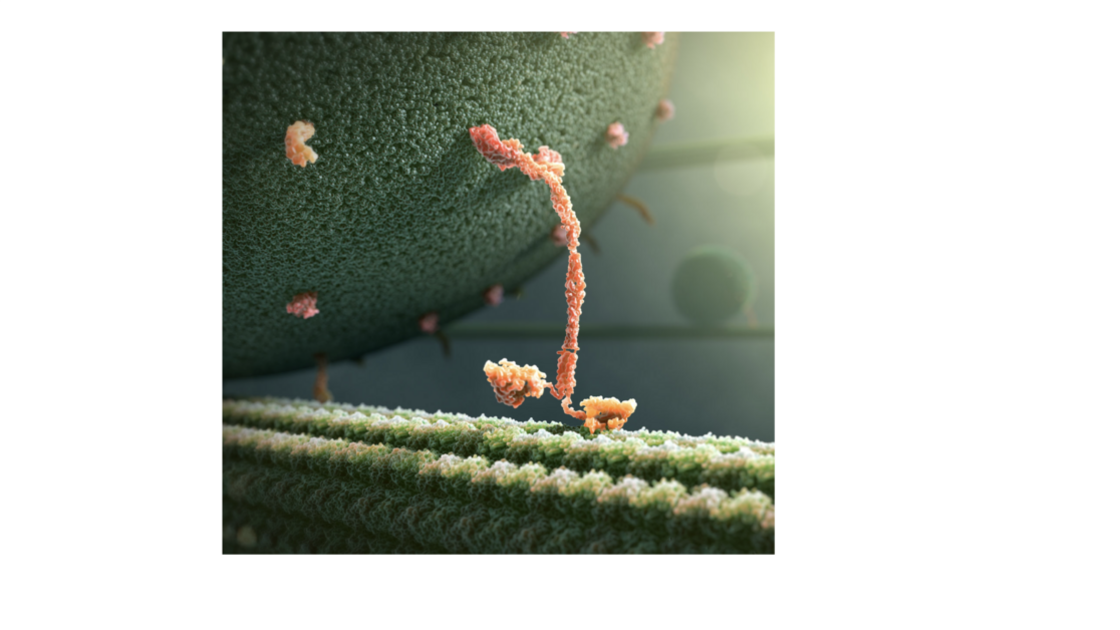
If we zoom into the microscopic world of living organisms, we will find what resembles robots working tirelessly in our cells to allow them to function properly. These are called Kinesin Motor Proteins—the workhorse of the cell.
These proteins are responsible for transporting important cargo to different parts of the cell. Without these proteins, our cells would stop functioning. In fact, you wouldn’t make it past the embryonic stage of life without these molecular machines.
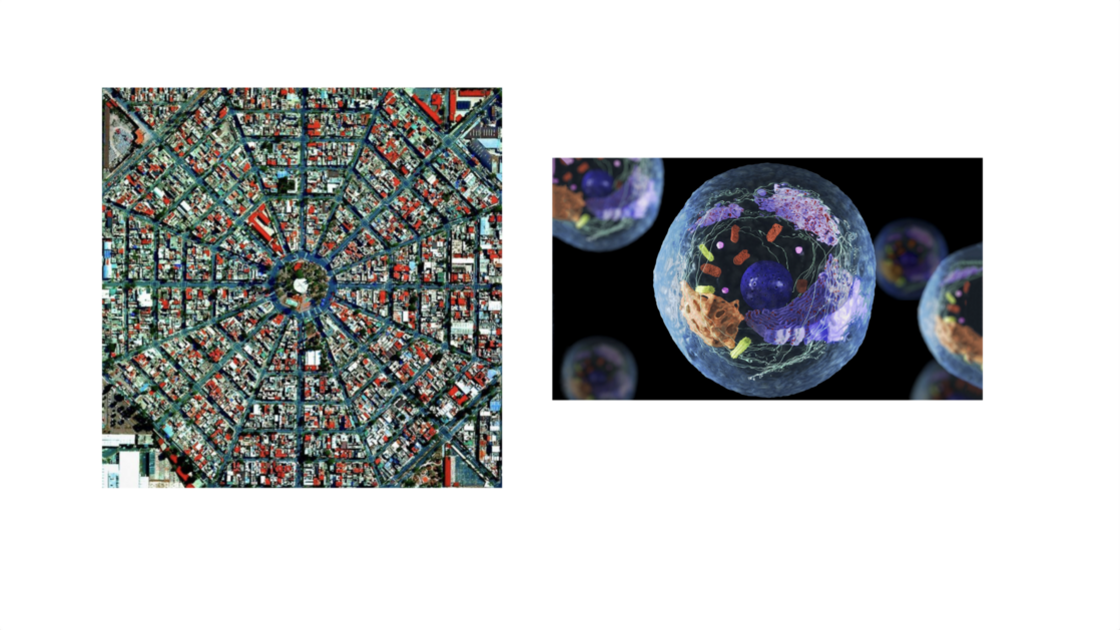
Think of your cell like a city. Every city needs roads, trucks, trains or some kind of cargo delivery system to move much needed supplies around the city. Without them, a city would be a logistical nightmare.
Your cells need kinesin proteins to do just that. In fact, they walk, just like a robot on railroad track-like systems called microtubules. These tracks allow the kinesin to walk to different locations in the cell and even reroute if necessary.
What is remarkable is that these motor proteins are not living organisms, and they know somehow exactly where and what to carry at precisely the right time. Just like a delivery system in a city.
How could an intricate system like this have created itself? A master programmer was absolutely necessary for this marvelous creation.
Many scientists call kinesins an evolutionists worst nightmare. They simply cannot logically explain it in the context of evolution.
Kinesins are able to walk on the microtubule track by a chemical to mechanical movement process. As one leg attaches to an ATP molecule to receive energy, it flips over and attaches to the microtubule molecule creating a reciprocal walking motion. This makes kinesins an incredibly efficient machine that humans have not been able to replicate. It literally refuels itself while it walks.
Another amazing feat of this tiny machine is that it is able to walk 100 steps per second. If you are able to scale that up to the human level these motor proteins would be able to move at speeds of around 450 mph.
The same God who created all living things, who resurfaced the face of the earth and shaped the universe, also created, designed and programmed these tiny yet vital molecular machines. Take time to appreciate God’s marvelous creation in the micro universe.