
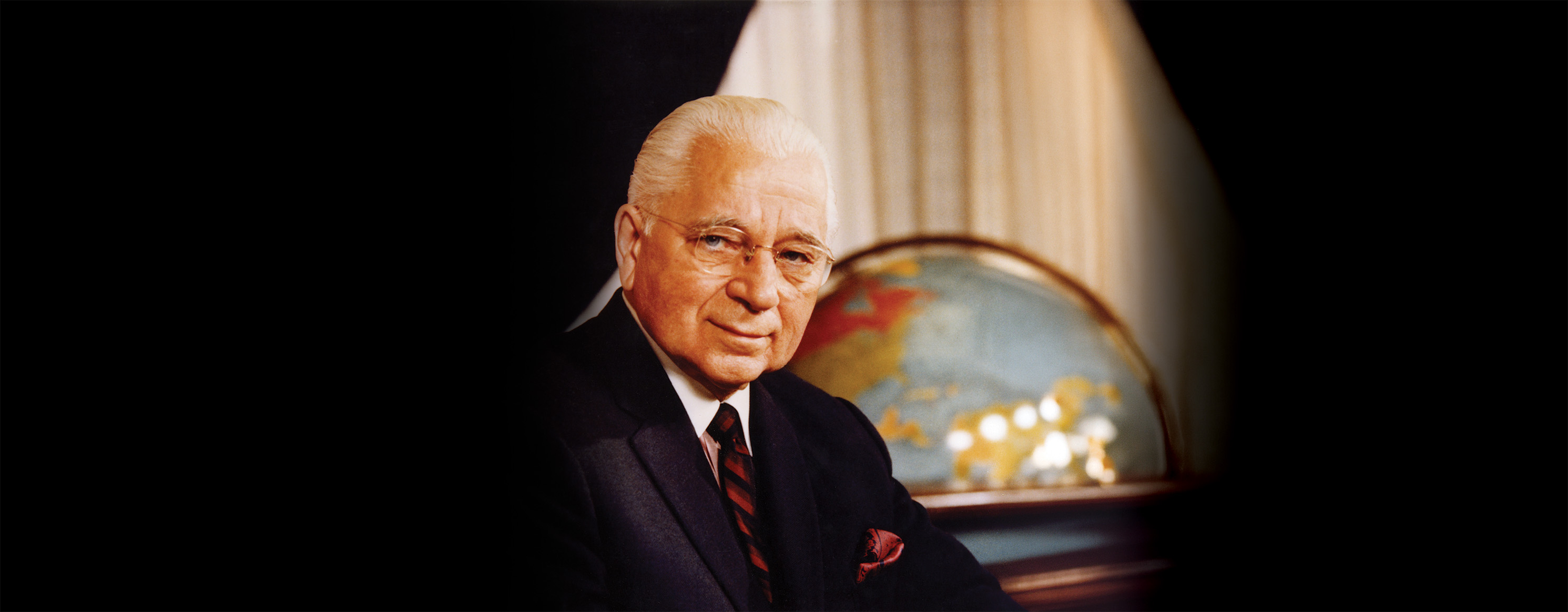
Herbert W. Armstrong
An unofficial ambassador for world peace. 1892–1986.
Publisher, educator, broadcaster and humanitarian Herbert W. Armstrong was an acquaintance and friend of leaders from around the world.
Born in 1892, Mr. Armstrong lived through the industrial age, the transportation age, the nuclear age, the space age and the information age. He witnessed two world wars and sweeping revolutions in culture, economics, warfare and society.
Called into God’s service and away from a promising career in advertising, Mr. Armstrong endured years of poverty and modest beginnings that would grow into a worldwide work communicating a message of warning and hope.
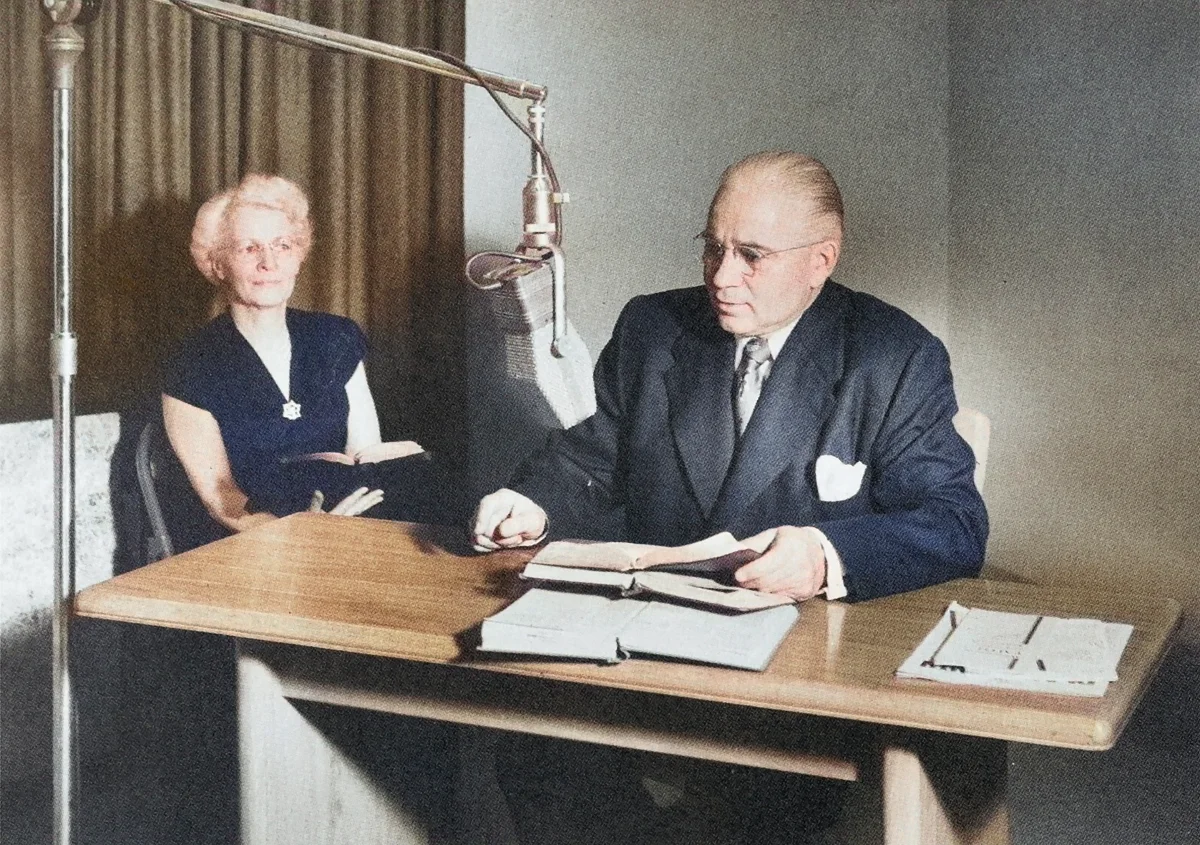
He became a pioneer and eventual world leader in televangelism and one of the most prominent religious figures of the 20th century, watched, read and followed by millions.
Mr. Armstrong founded Ambassador College in 1947 in Pasadena, California, and later established two more campuses, in Big Sandy, Texas, and Bricket Wood, England. Thousands of students were educated at these institutions.
Later in life, Mr. Armstrong met with heads of state and other high officials around the world. Through personal audiences with kings, princes, presidents, prime ministers, emperors, mayors, justices, legislators and other leaders in government, society and business, he earned the title “ambassador without portfolio for world peace.”
When he died in 1986, Mr. Armstrong left behind a church of 725 congregations in 57 countries, with a weekly worldwide attendance of 120,000 and 1,200 ministers. Another 210,000 people contributed to the work regularly, and the Church received more than $160 million annually—more than was received by other televangelists like Jimmy Swaggart, Oral Roberts, Jim Bakker, Jerry Falwell and Robert Schuller.
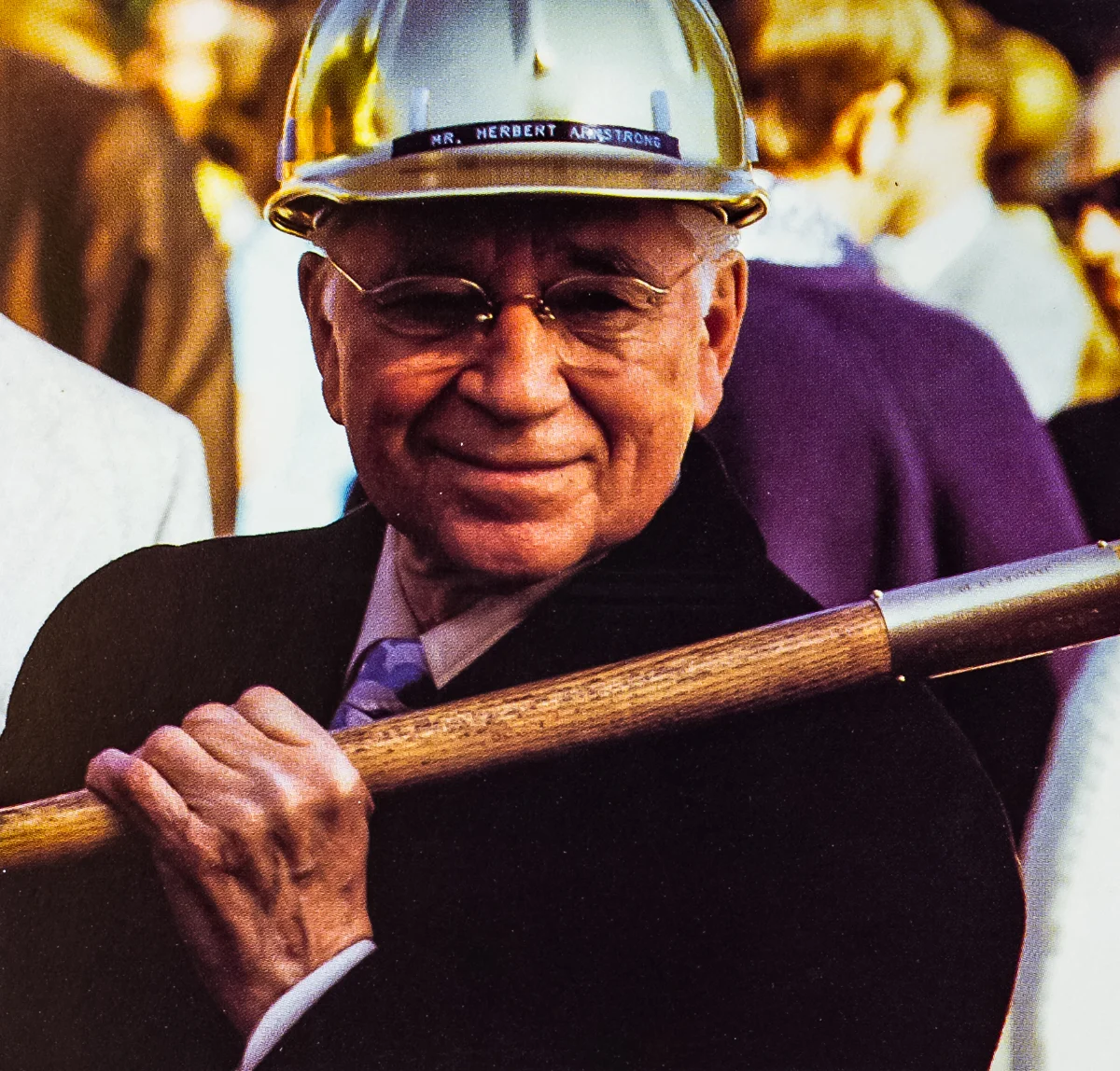
The World Tomorrow with Herbert Armstrong could be viewed on 382 television stations and 36 radio outlets worldwide. The Church’s flagship magazine, the Plain Truth, was published in seven languages with a worldwide circulation of 8.4 million. Its Good News magazine had a circulation of 828,000. Combined, these two publications exceeded the circulations of Time and Newsweek together.
Herbert W. Armstrong’s Legacy
Under Mr. Armstrong, the Church also produced a popular youth magazine with a circulation of 2.3 million, and a 32-lesson correspondence course in which more than 2 million people enrolled over its 30-year run. More than 40 million books and booklets were distributed over his 50-year ministry, the most requested of which was The United States and Britain in Prophecy, at 6 million copies. Between 1980 and 1985, the Church distributed 447.5 million books, booklets, magazines, newspapers, lessons and letters. In 1985 alone, it answered 1.1 million phone calls, received 6.7 million pieces of mail, and added 2.1 million names to its database.
At the end of 1985, Mr. Armstrong’s final book, Mystery of the Ages, was requested by 740,000 people within four months of its release, making it the fastest-moving publication the Church had ever produced.
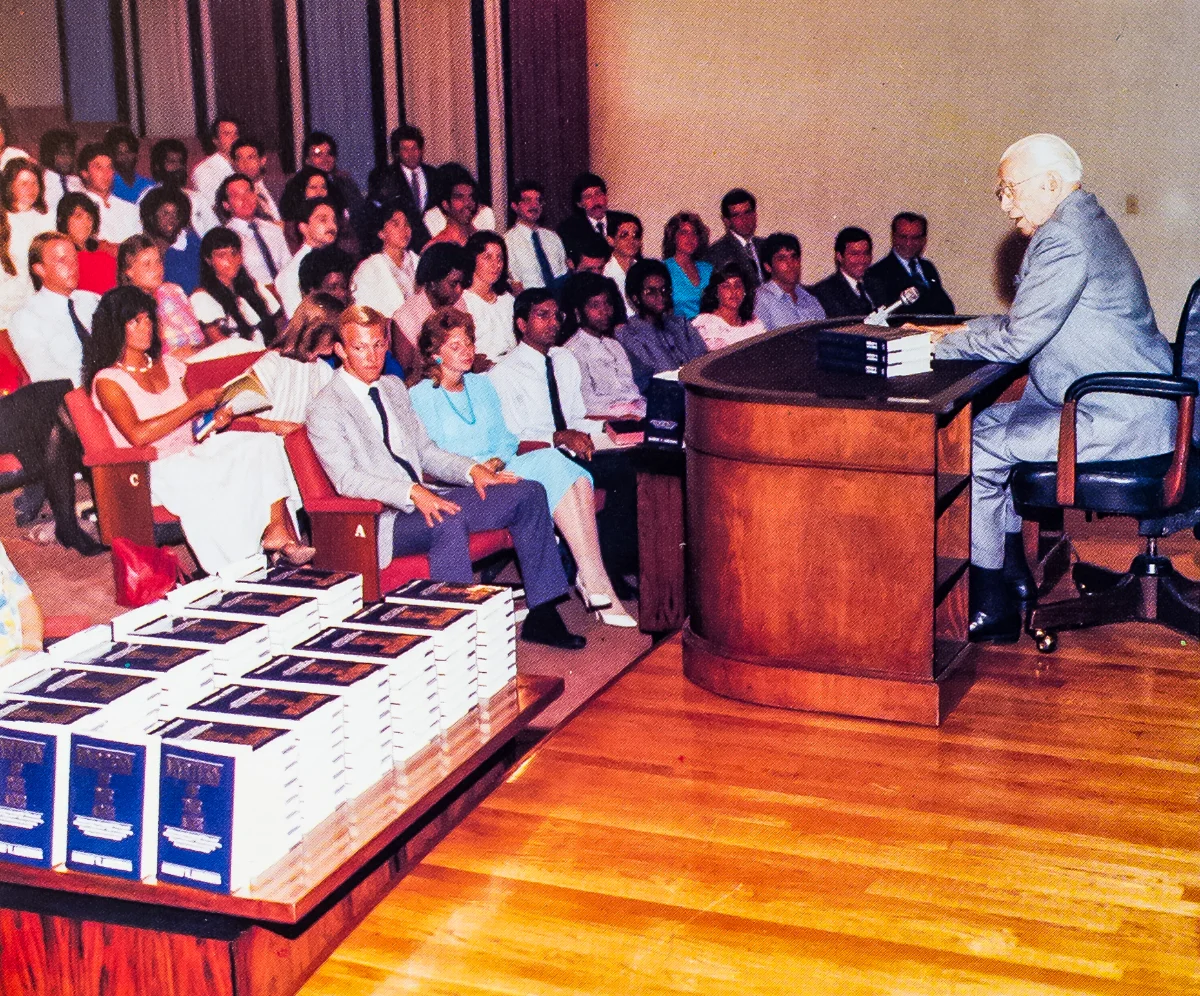
Although Mr. Armstrong’s successors would later disagree, U.S. President Ronald Reagan summed up the sentiments of Church members and nonmembers alike upon news of his death: “Mr. Armstrong contributed to sharing the word of the Lord with his community and with people throughout the nation. You can take pride in his legacy.”
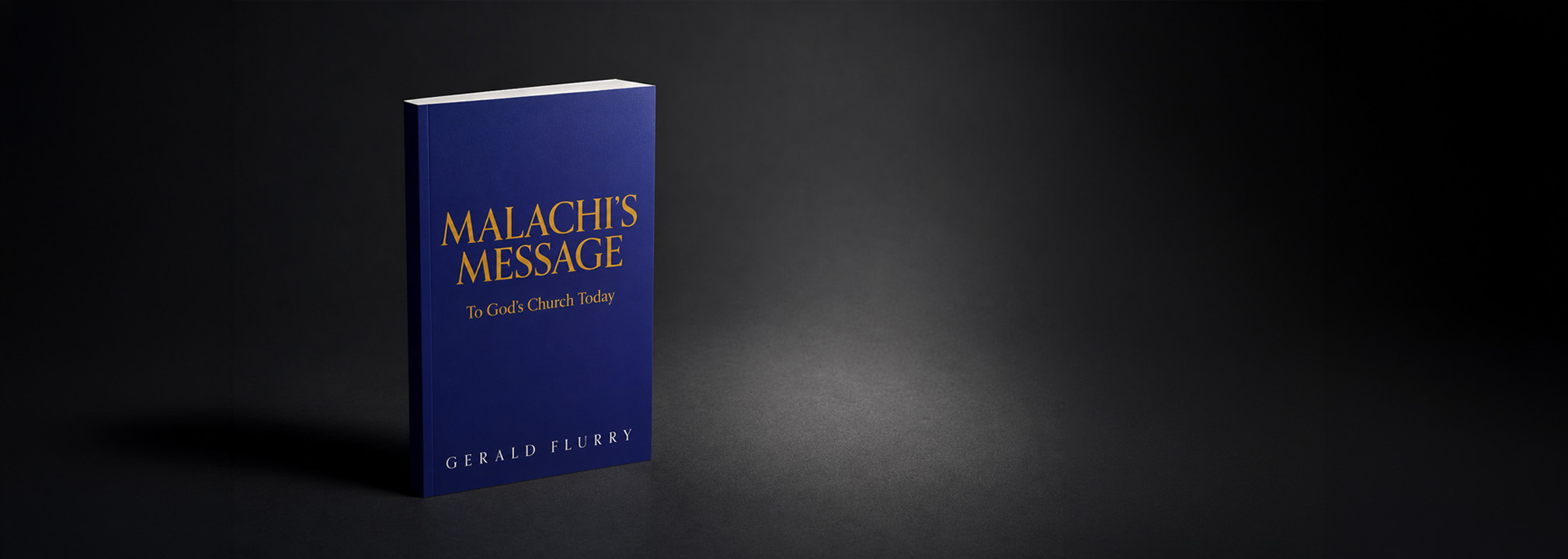
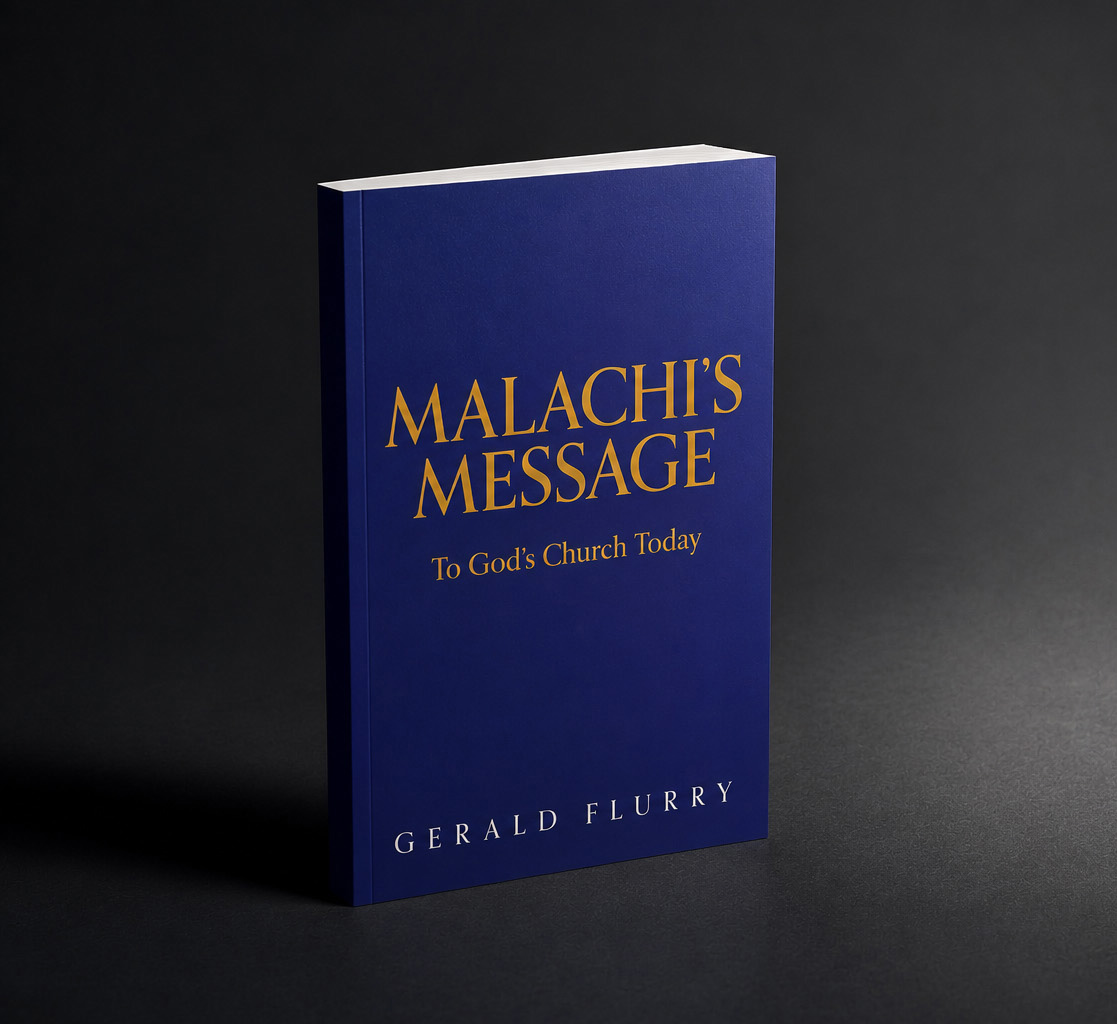
Malachi’s Message
By Gerald Flurry
This is a story about God’s Church gone off track and what God did to correct the tragedy.
Herbert W. Armstrong founded the Worldwide Church of God in 1934 (though it began with a different name) and led it for over 51 years to its height in membership, global impact and income at the time of his death in 1986.
Soon, however, disturbing and significant changes in Church doctrine began to be introduced. The changes revealed a diversion in course, one that led to catastrophe.
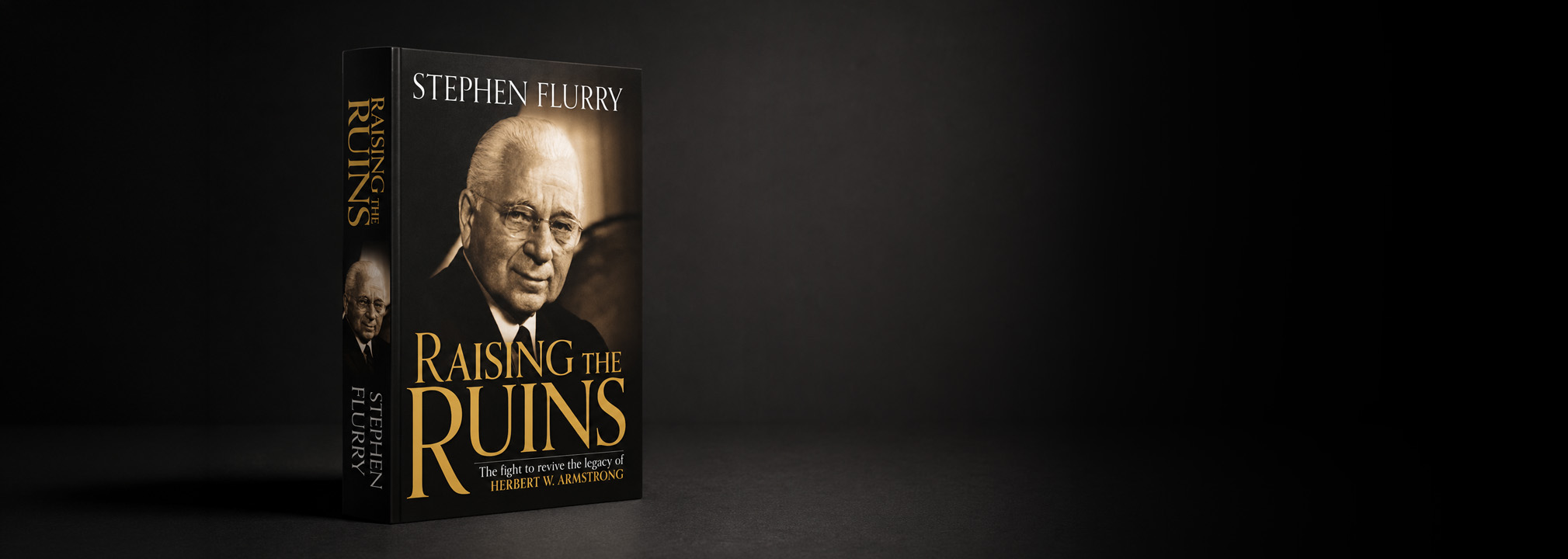
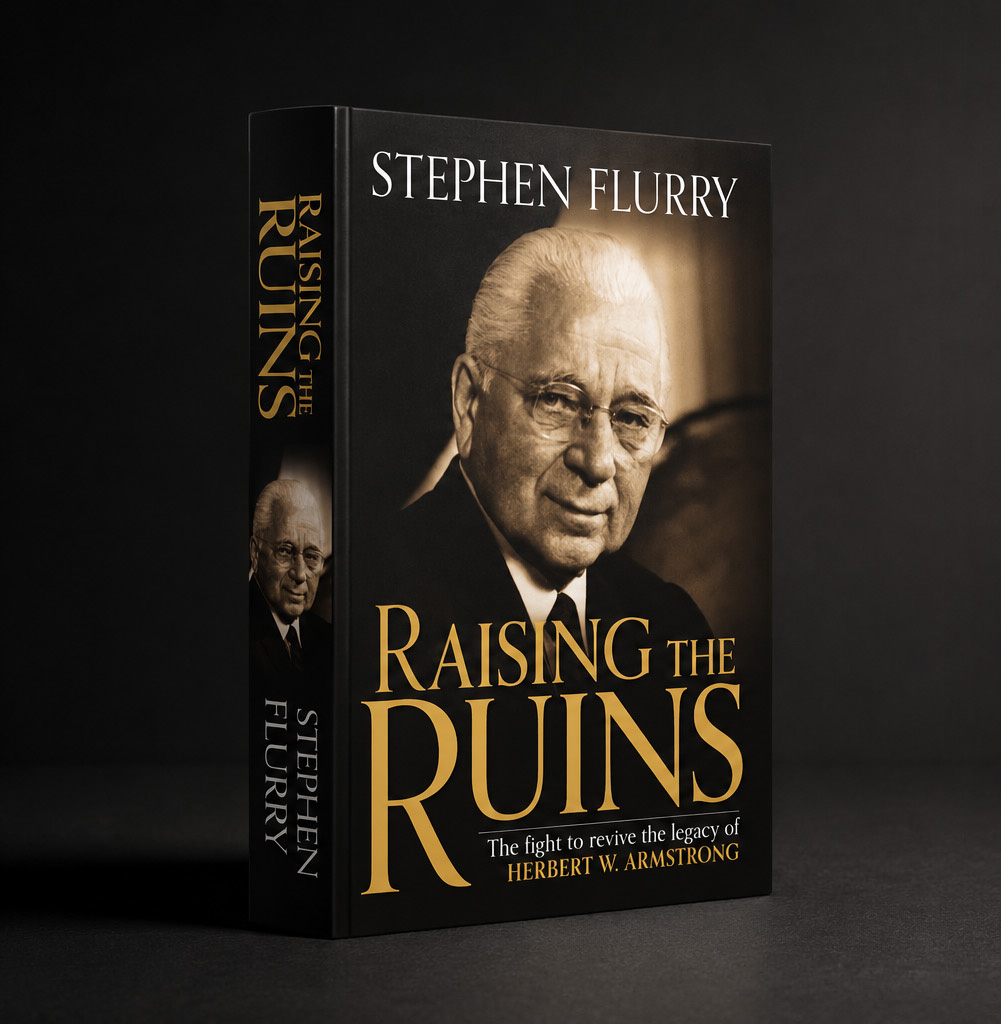
Raising the Ruins
By Stephen Flurry
What happened to the global humanitarian empire of Herbert W. Armstrong, one of the foremost religious leaders of the 20th century? Here is the shocking, gripping untold story of the doctrinal hijacking and spiritual destruction of the Worldwide Church of God after the death of its founder. It is the story of a cabal of leaders who destroyed Mr. Armstrong’s work, sold the church’s assets and hoarded the money. It is the story of the life-and-death, six-year court battle that ensued when a faith-filled few held fast to his mission and sought to defend his legacy—by raising the ruins.